
A founder story
A coffee habit became a life project.
It started with a coffee habit. It became the project that taught me how to ship, listen, travel, and keep going.
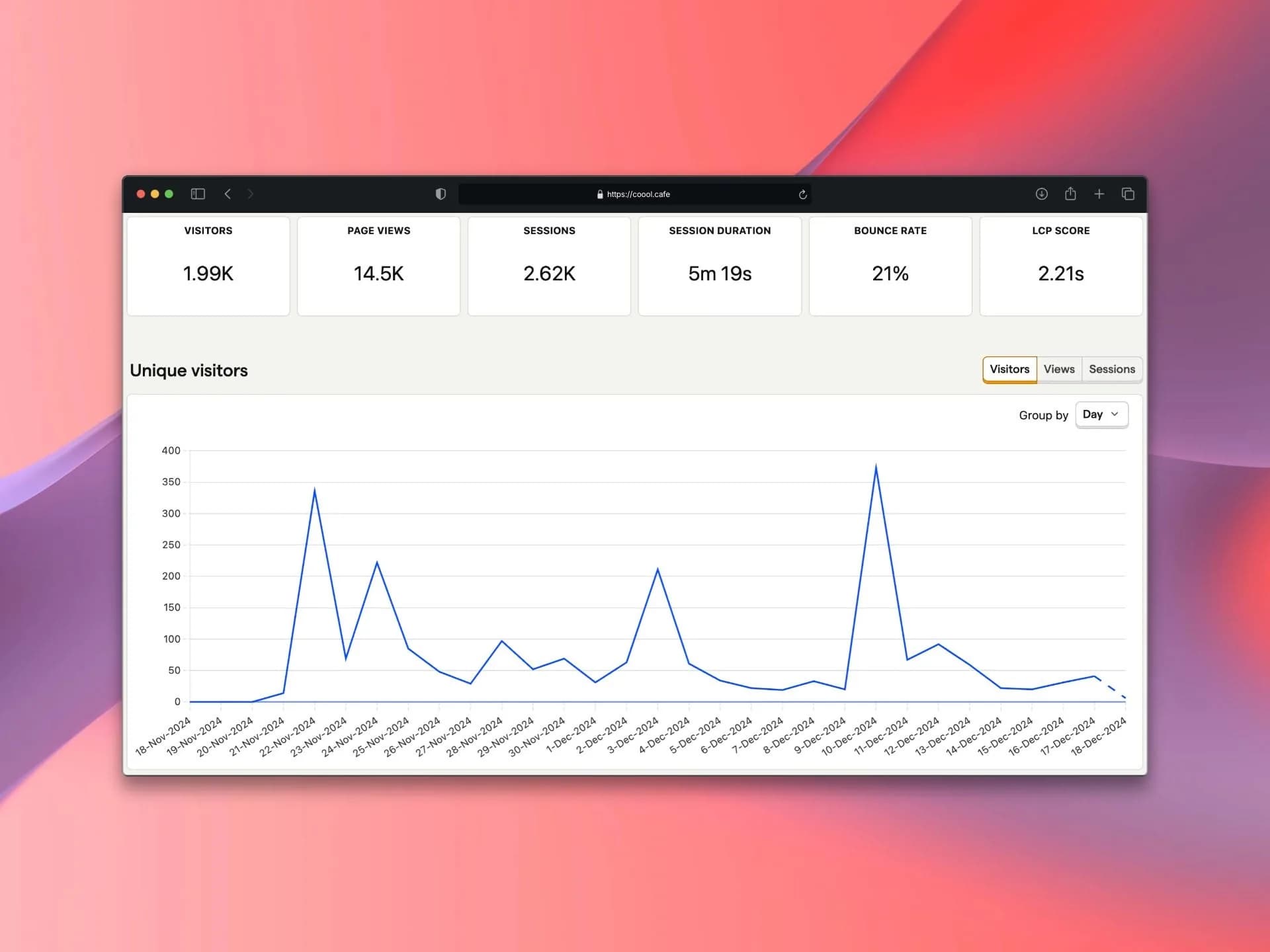
First month after launch
1,990
people found the product.
Where they came from
26
countries, before the map was even close to finished.
The current state
Still cooking
One person, a growing map, and plenty left to learn.
Before the product
Coffee was already part of the landscape.
I grew up in Pleiku, where coffee was not an exotic hobby. It was part of the daily rhythm around me. At university I studied Food Engineering, and beverages became a place where science, culture, and small changes in process met.
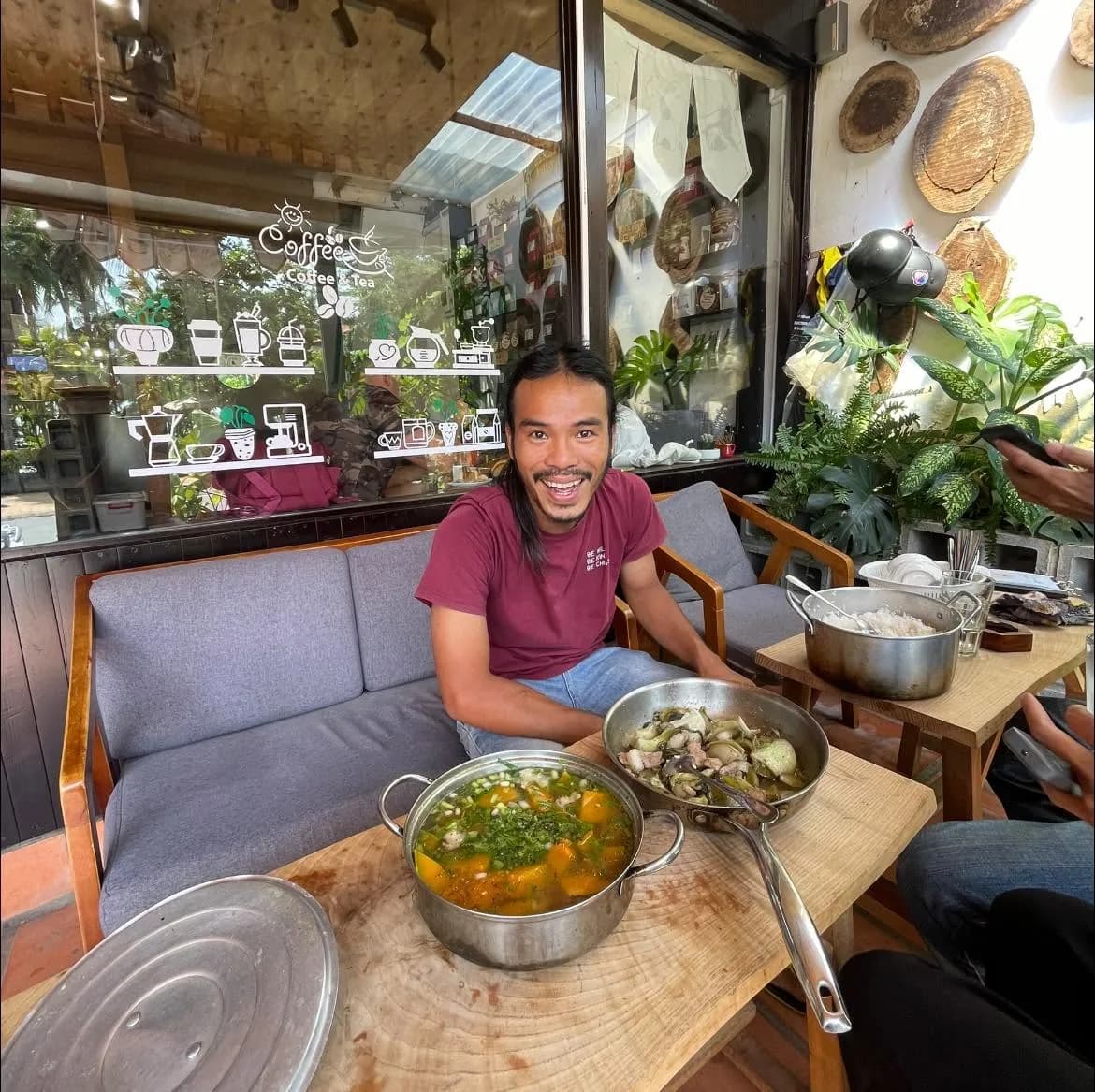
Travel gave that interest another direction. As a digital nomad, I started using cafés to understand new cities. I was not only looking for a table and Wi-Fi. I wanted the drink, the room, the people, the odd details, the feeling that made a place worth remembering.
Before some trips, I spent more time searching for a good café than choosing where to sleep. That probably tells you enough.
“Uống cà phê, ngồi tỉ tê.” Drink coffee, sit down, and let the conversation wander.
The problem I kept having
Maps tell you what is nearby. They do not always tell you what is worth the detour.
Google Maps is useful. It is also a little hit or miss when you are looking for a place with a point of view rather than the nearest result. Search intent, keywords, business profiles, popularity, distance, ads, and personalisation all shape what rises to the top.
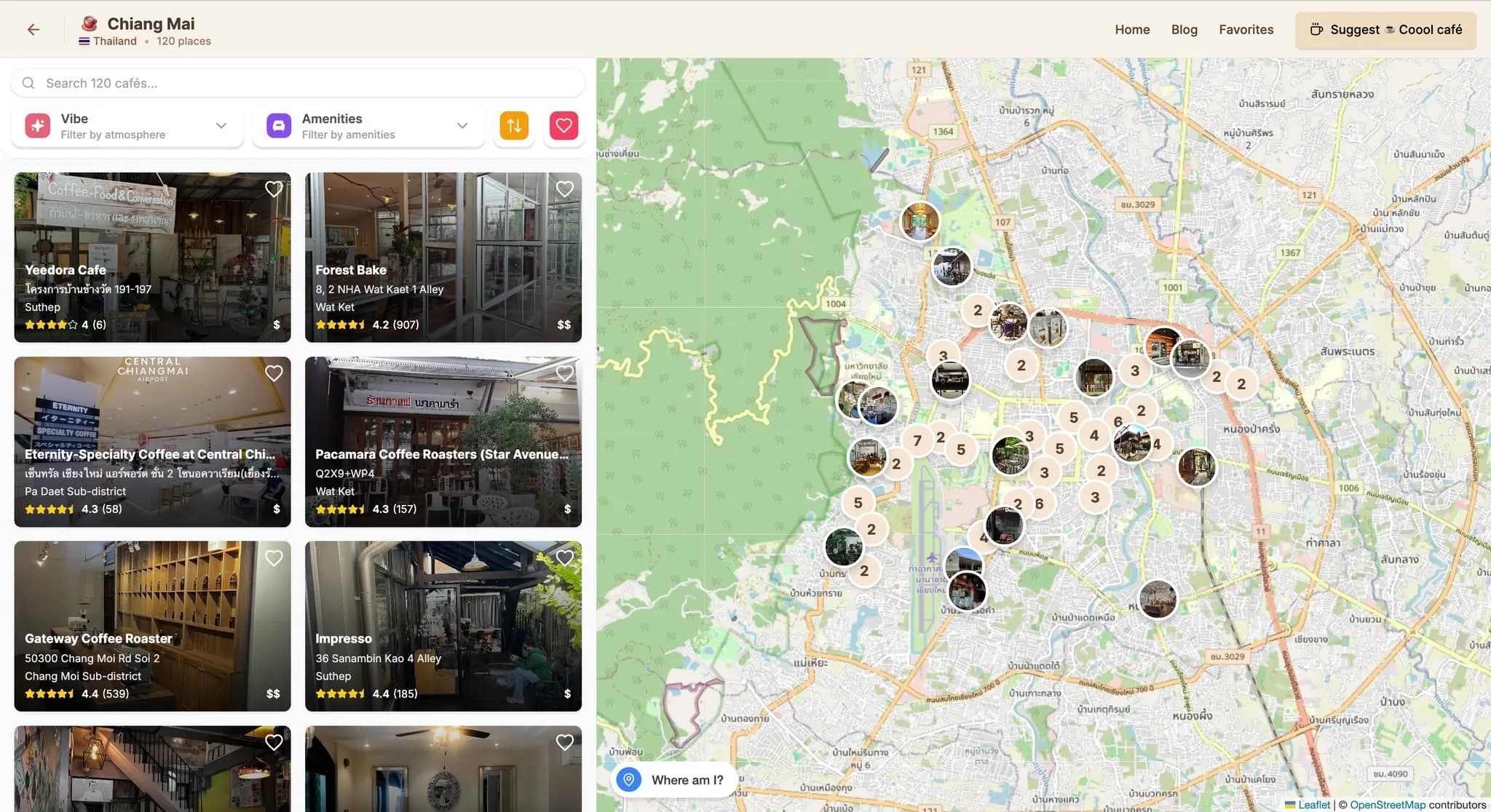
I wanted a layer that could bring good coffee, beautiful rooms, hidden gems, and the places with a real sense of character back into view.
The first versions
I learned by breaking things in public.
The first version was rough. Café data moved through improvised scripts and spreadsheets. I tried AI tools while learning how to build the interface. I broke databases, Docker, Nginx setups, and more than one piece of confidence.
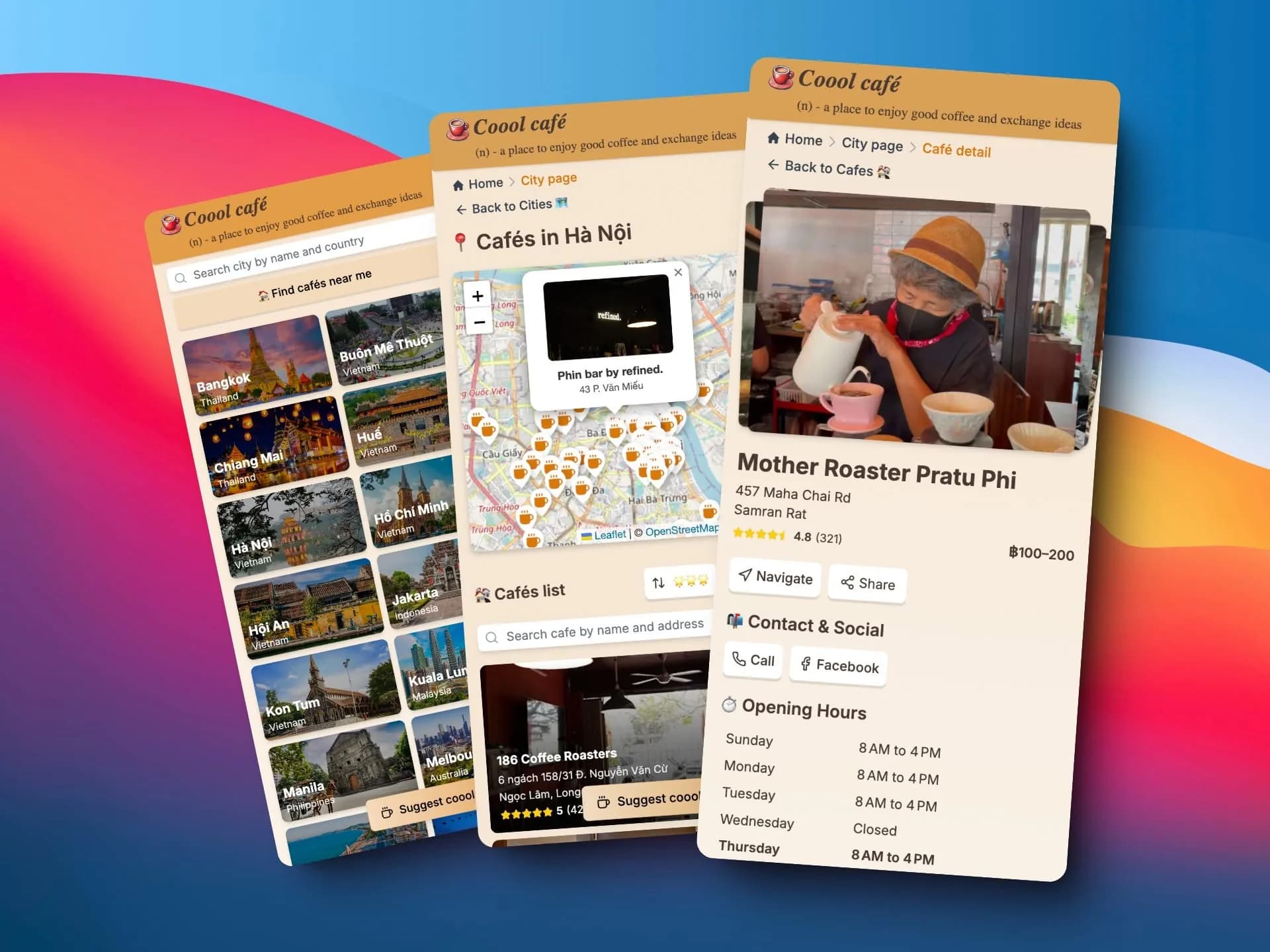
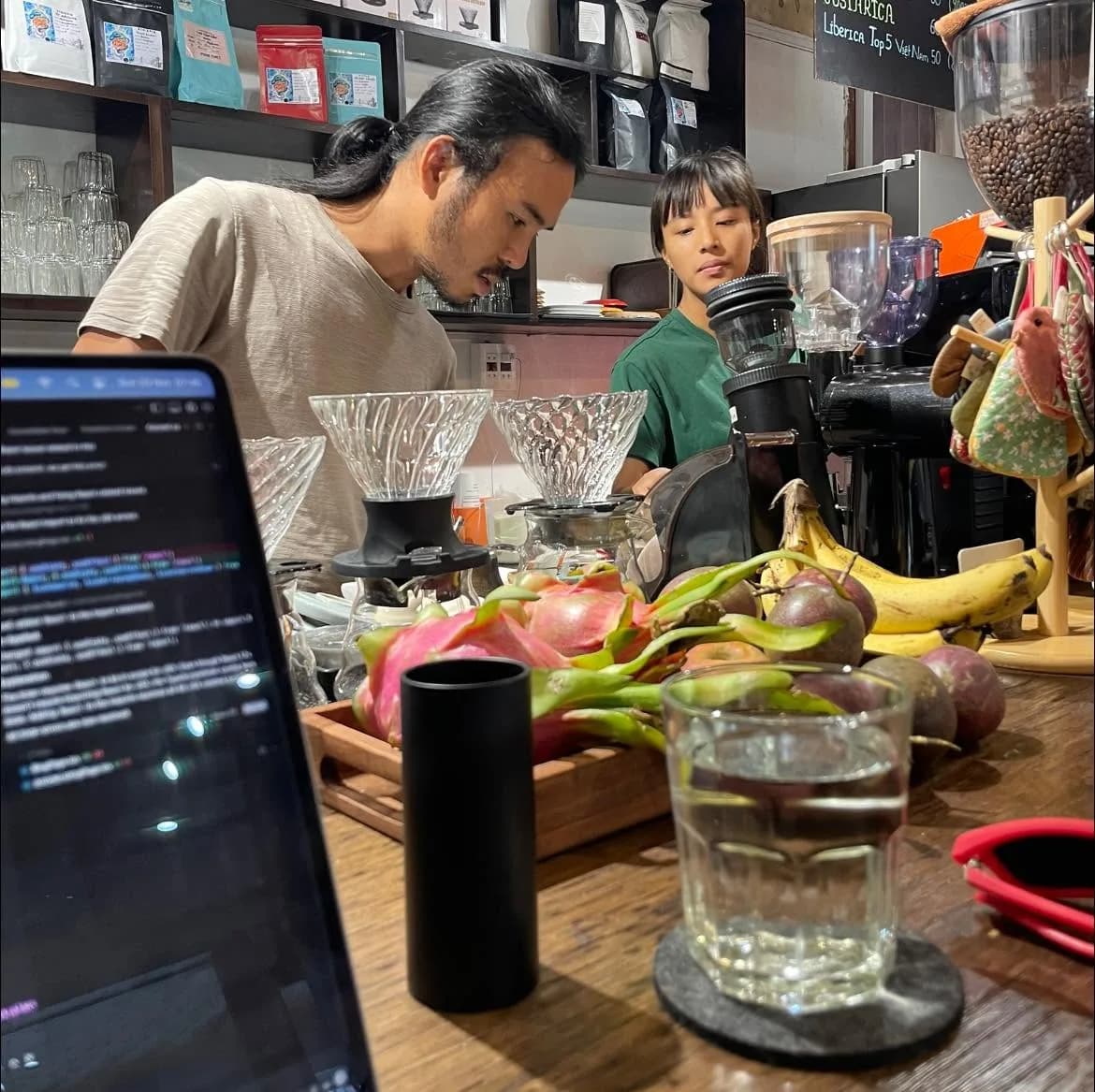
AI helped with some of the work. It did not remove the need to understand the work.
Every broken page pushed me closer to the real lessons: inconsistent place data is hard, preprocessing matters, search intent changes page structure, and a shipped product teaches more than a perfect prototype.
Read the longer build storyField notes in motion
The story keeps rolling.
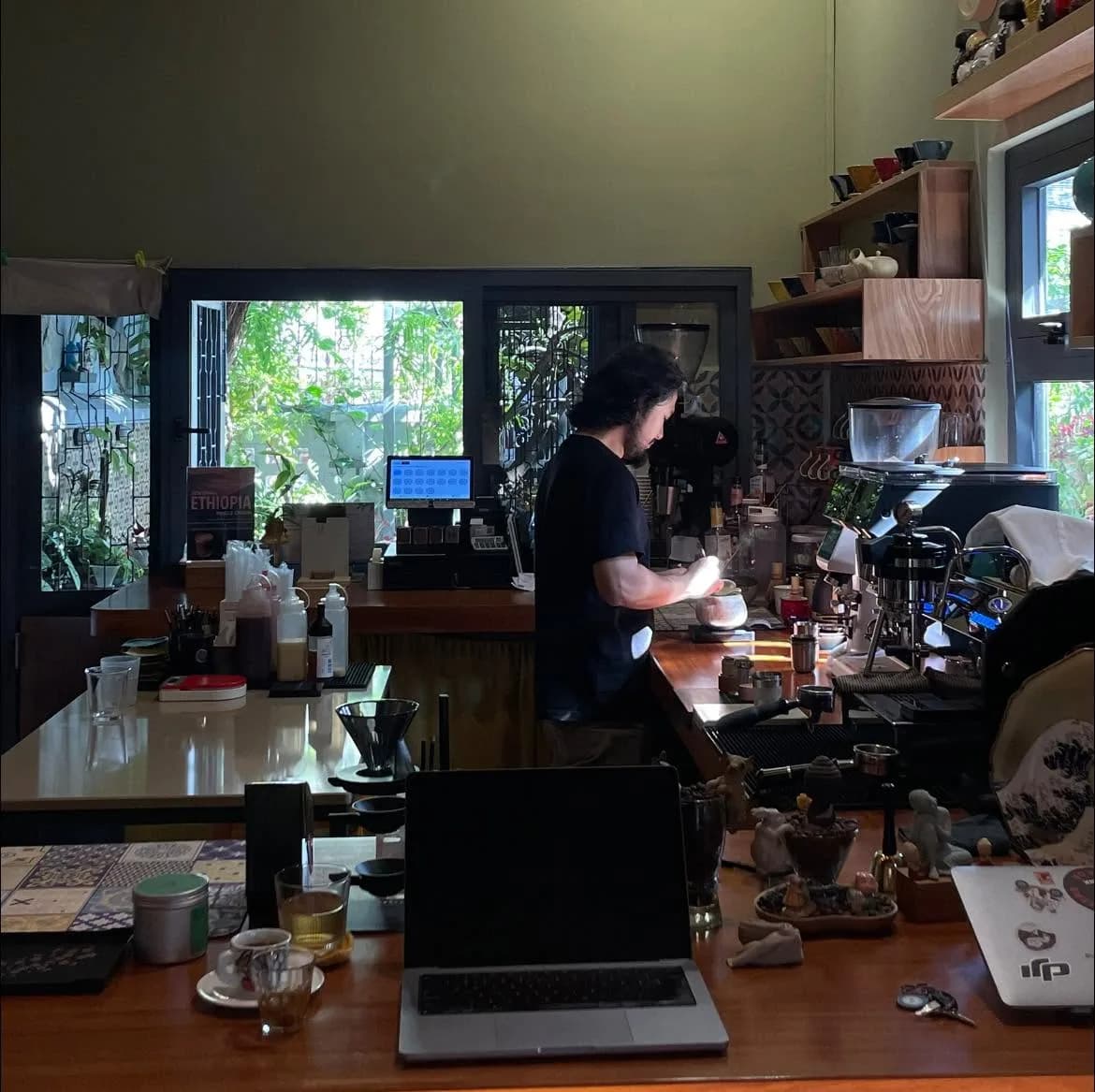
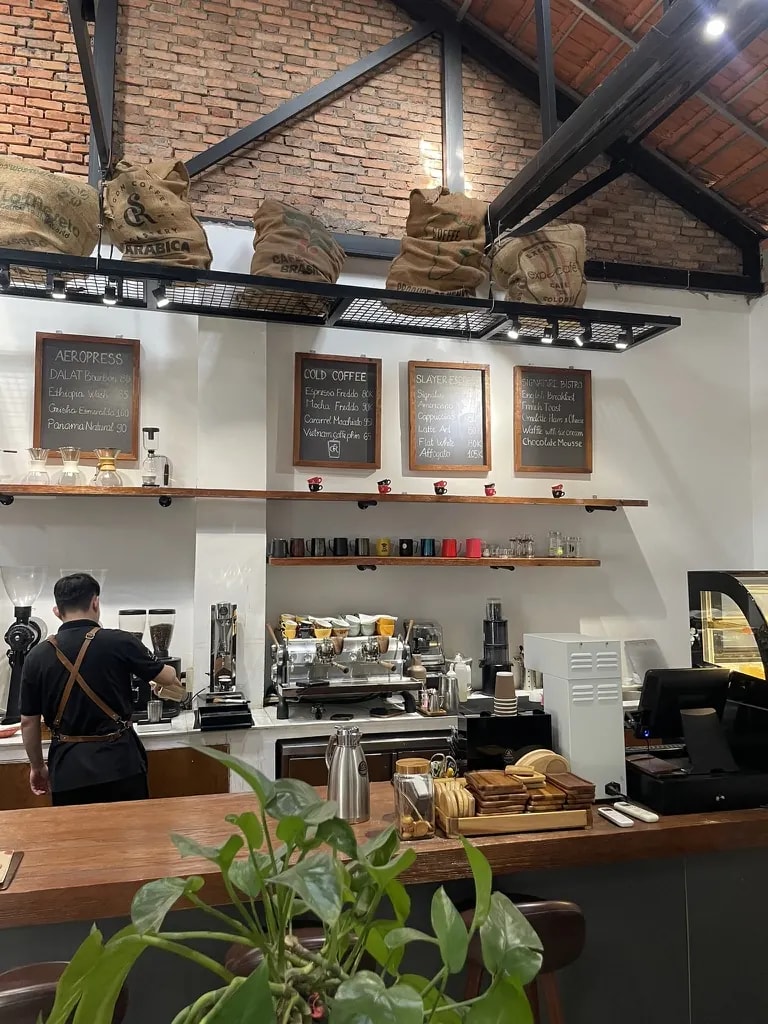
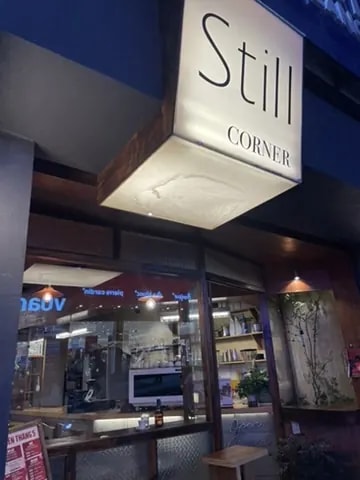
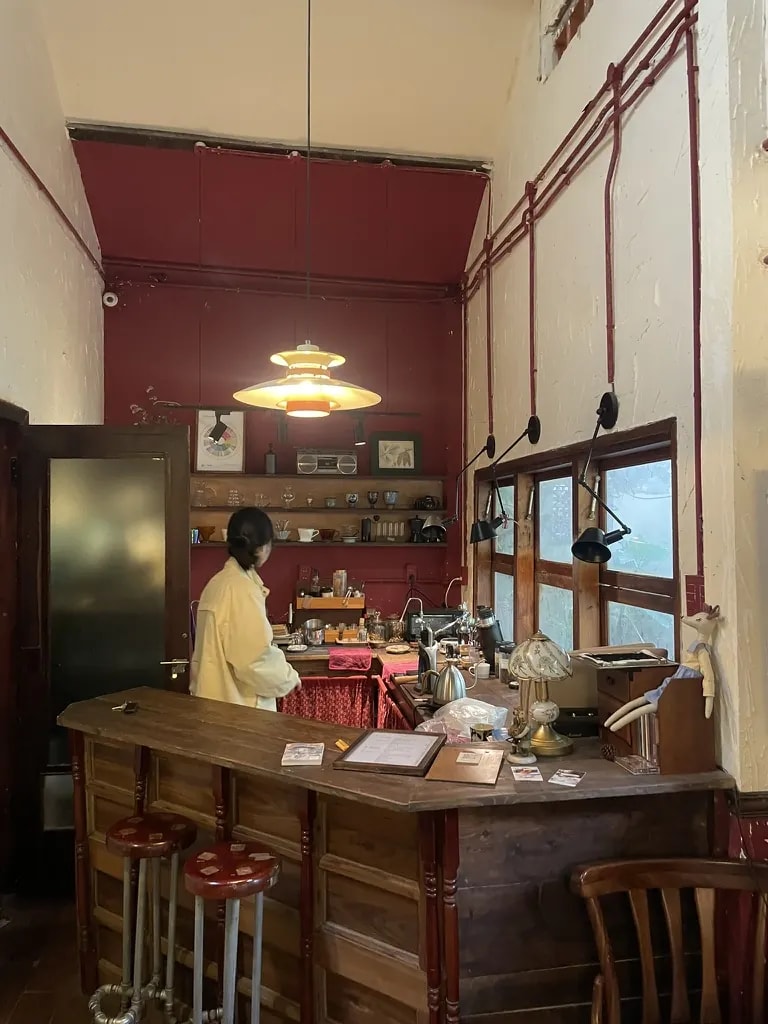
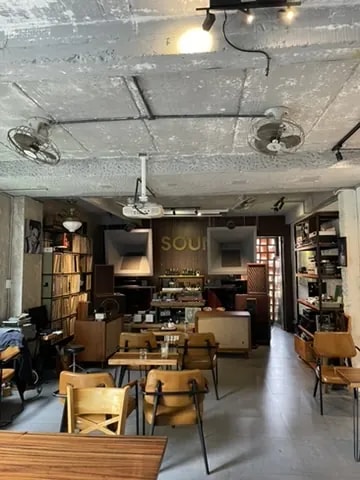
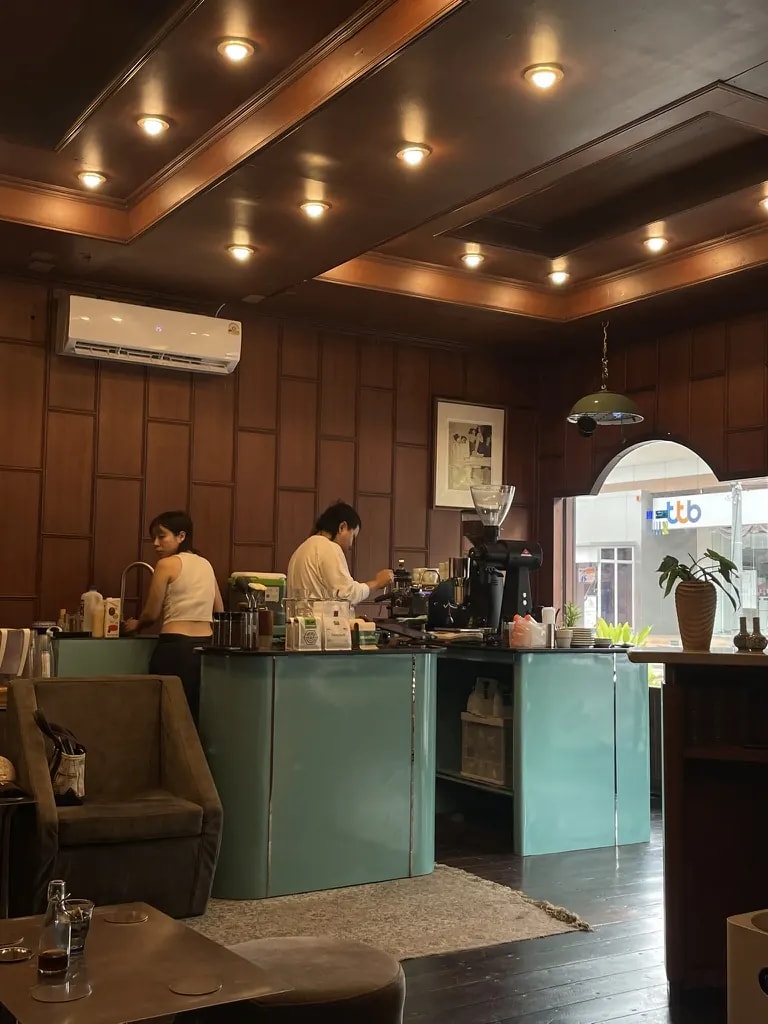
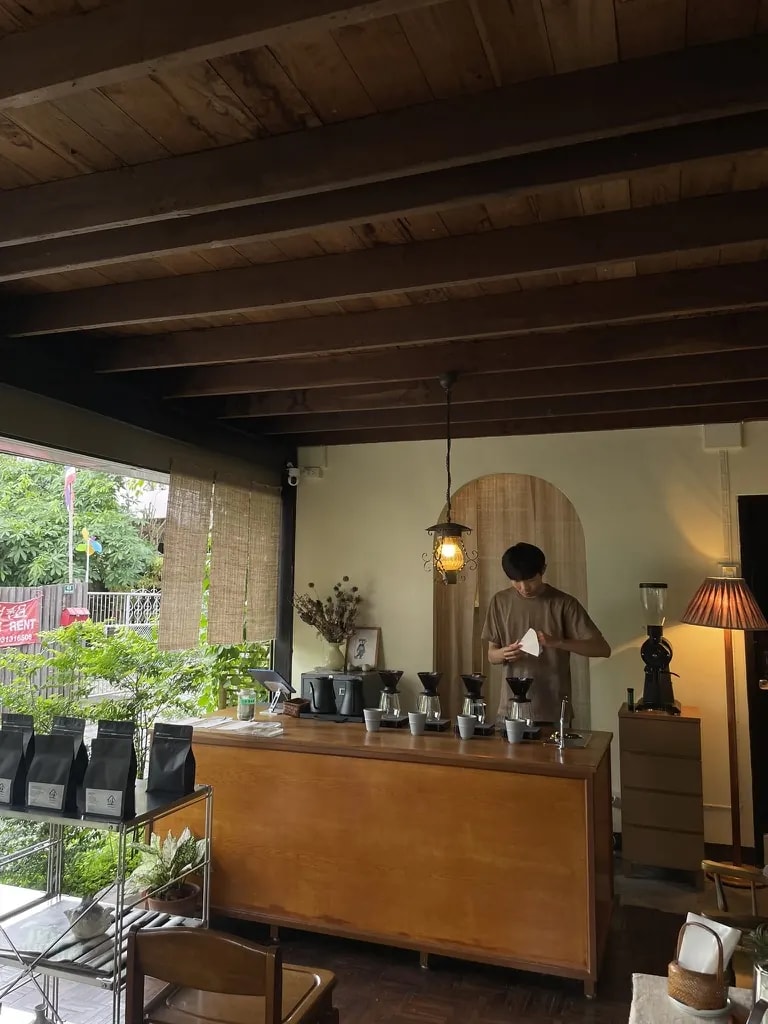
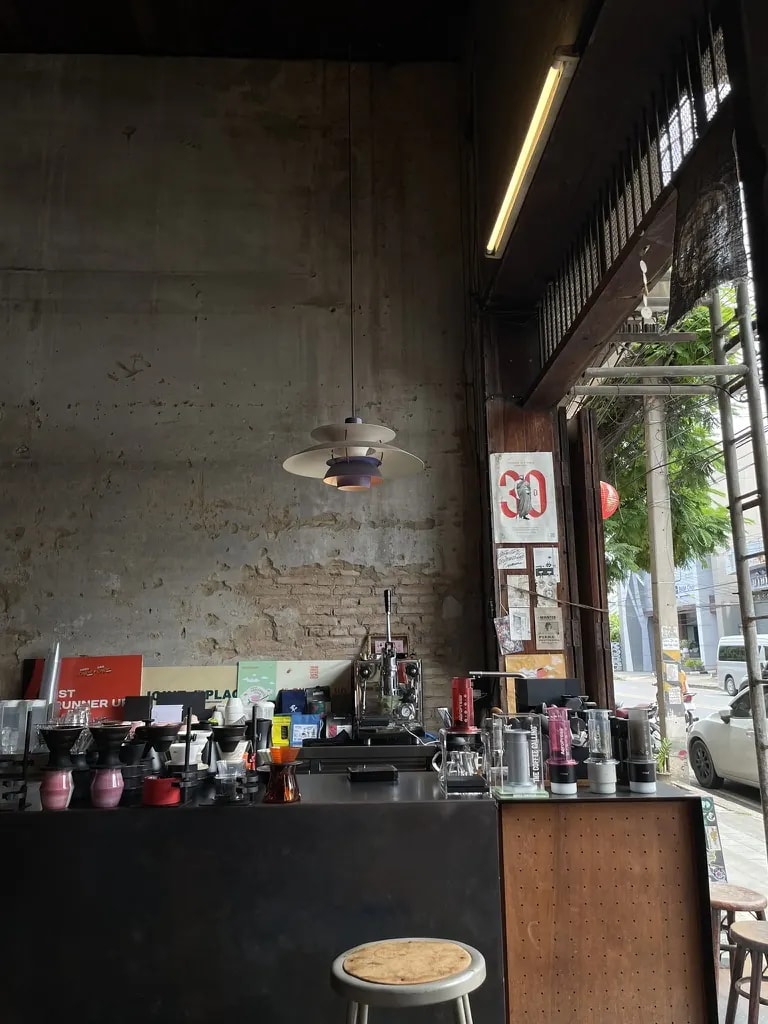
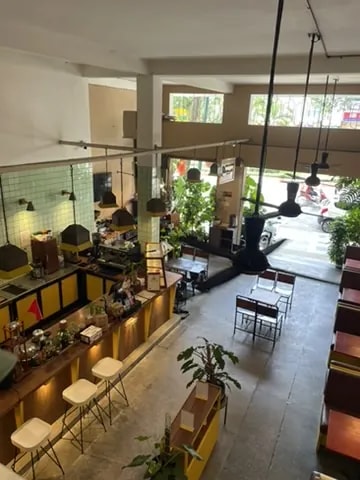
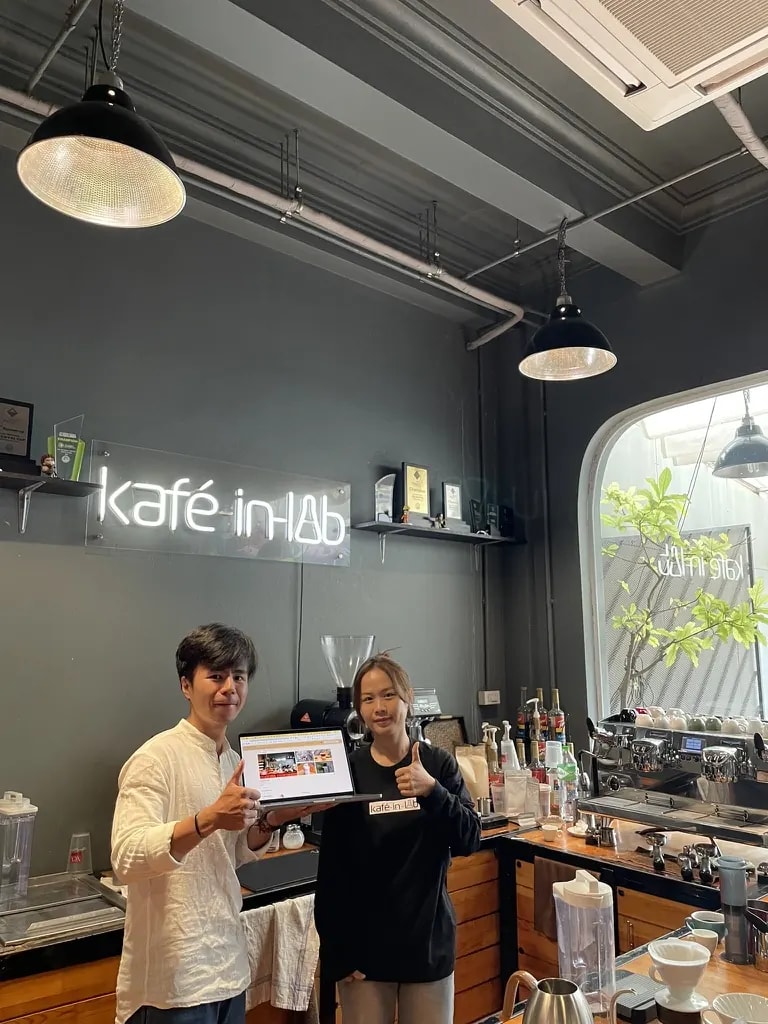
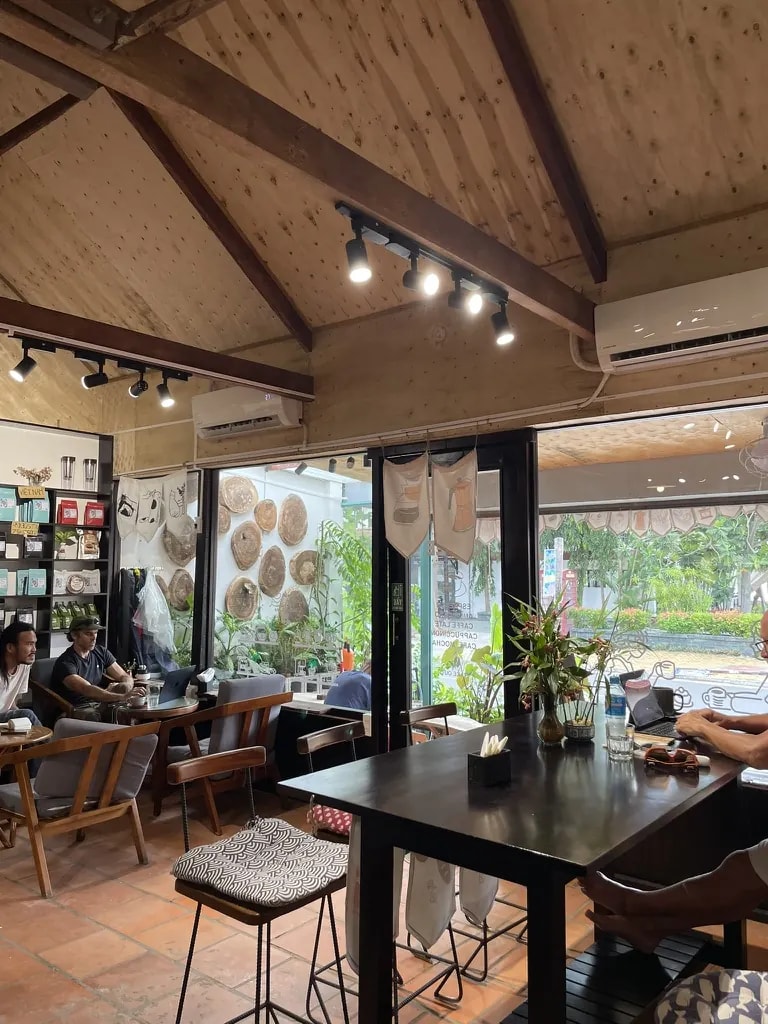
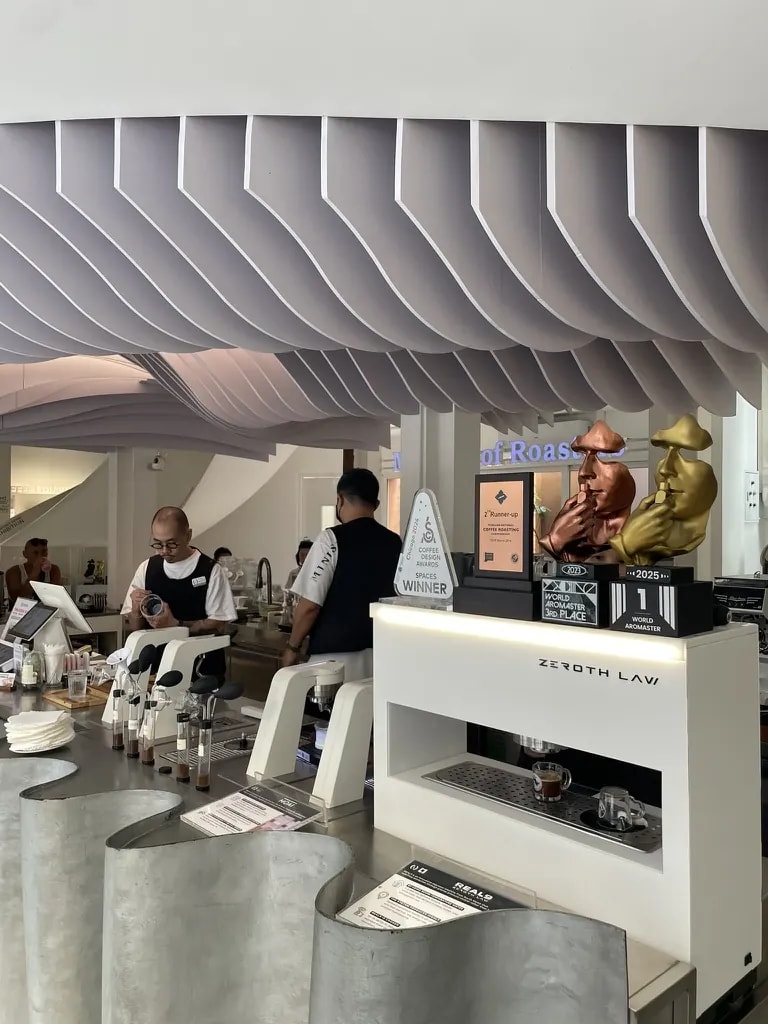
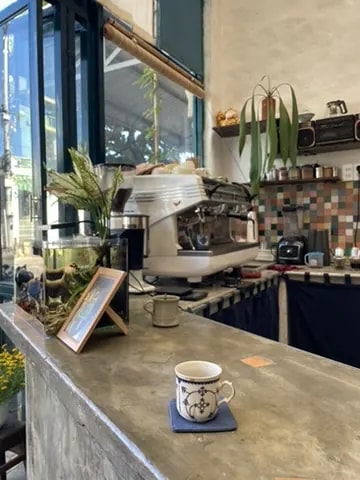
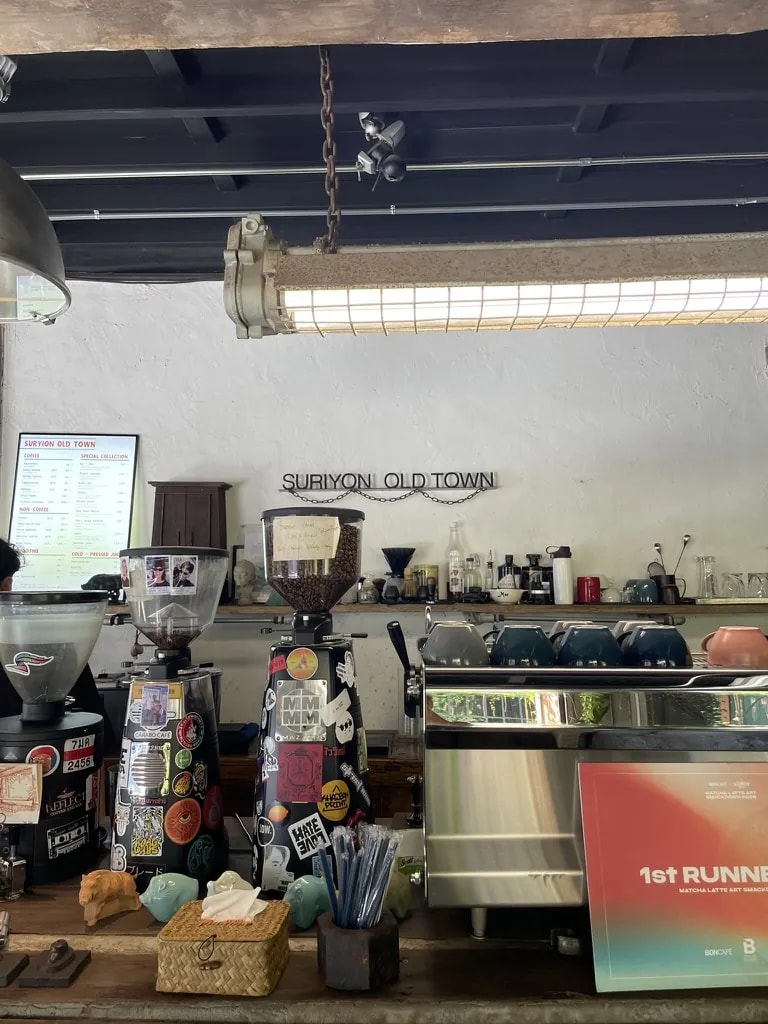
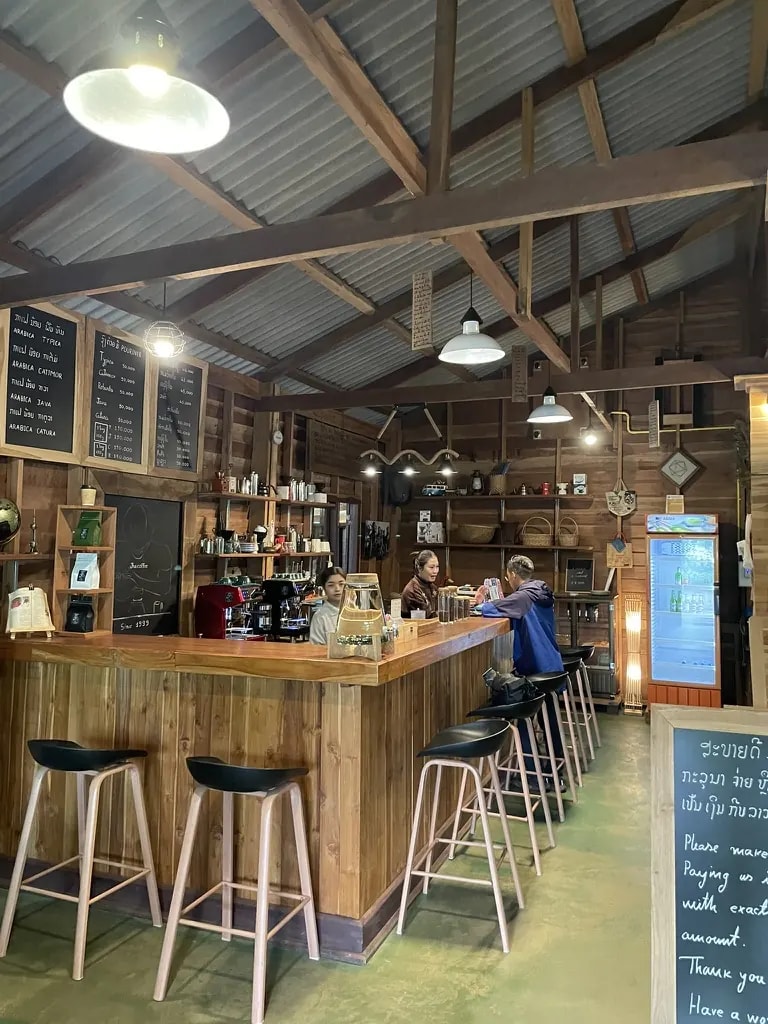
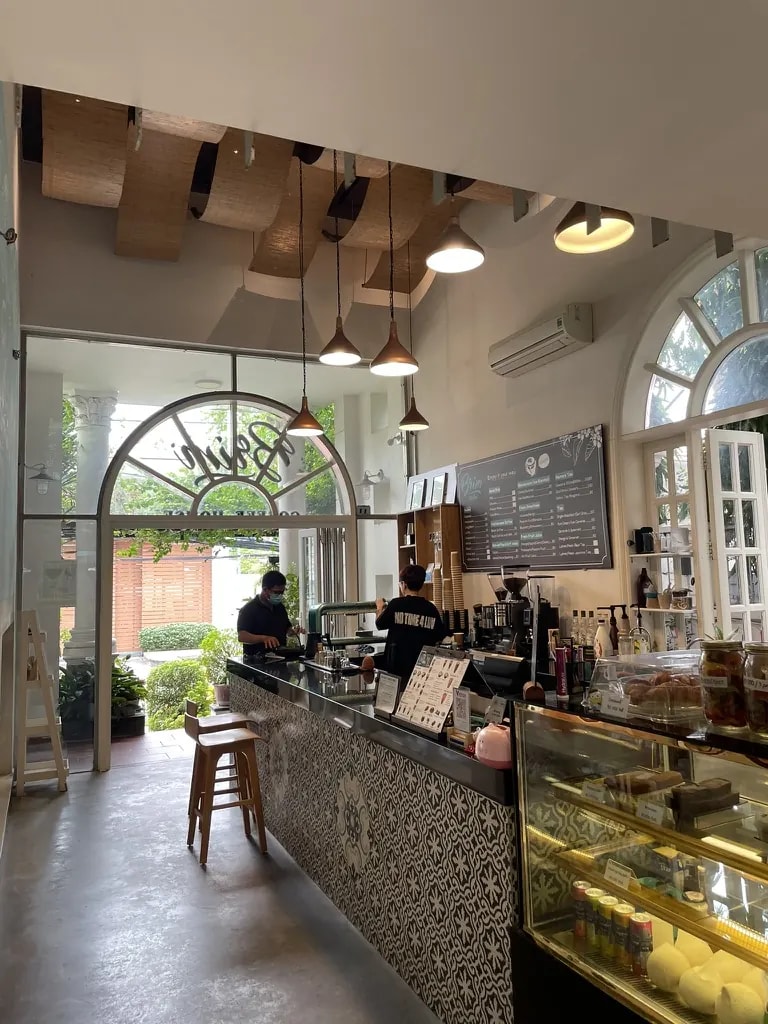
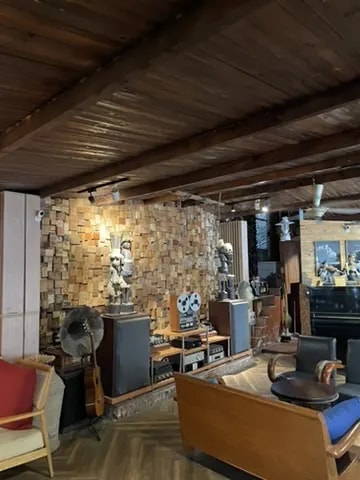
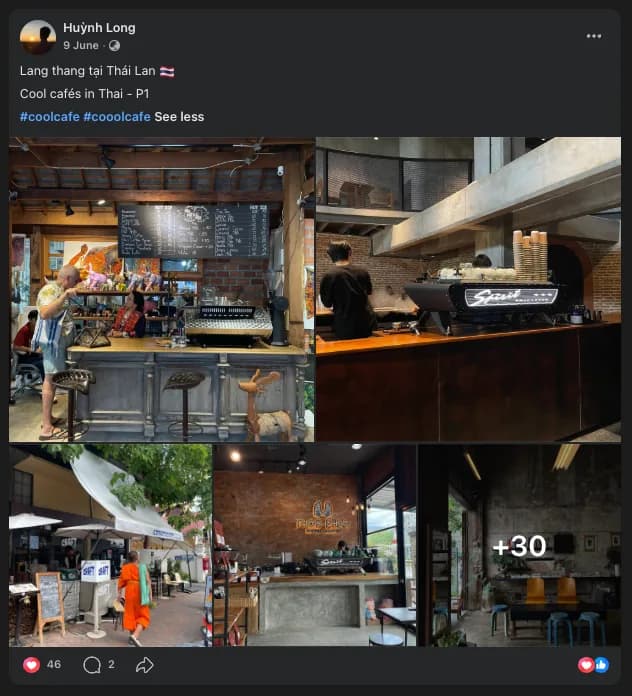
Cafés became my offices, classrooms, and doorways into unfamiliar cities. Every counter added another small piece to the product.
Espresso, one cup at a time.
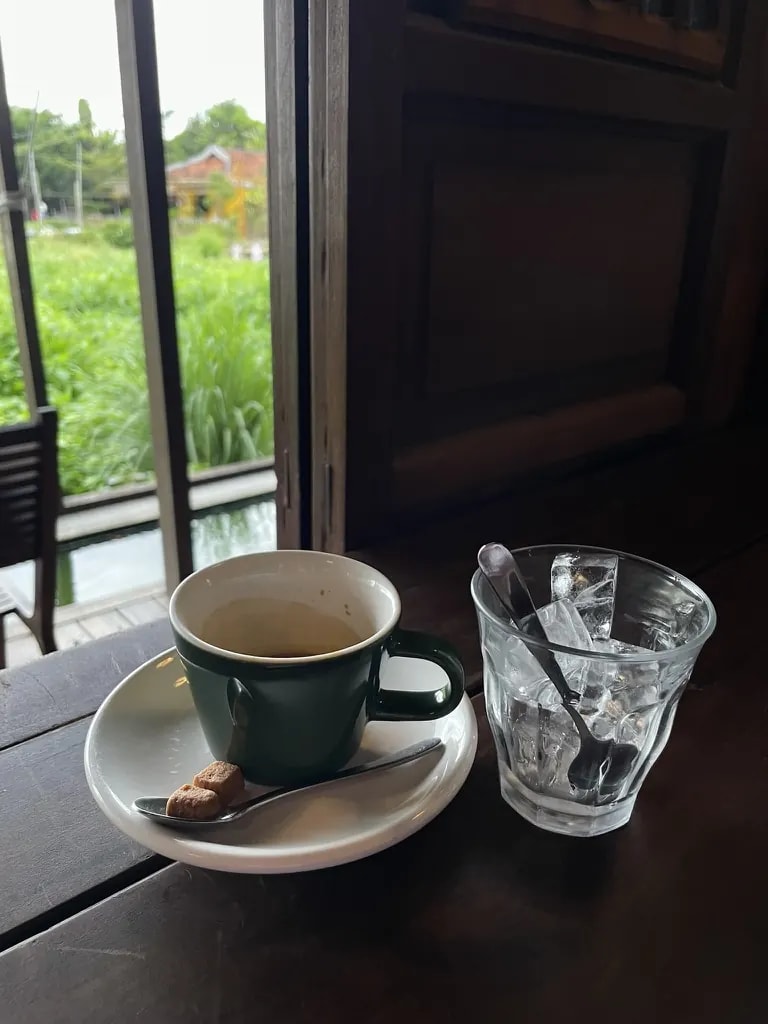
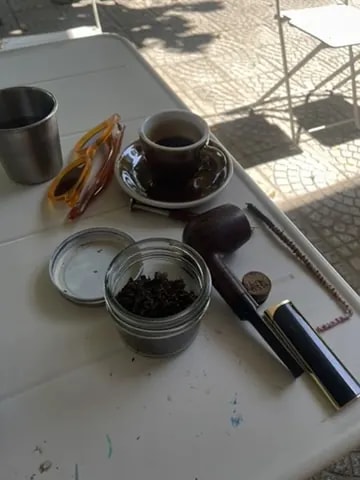
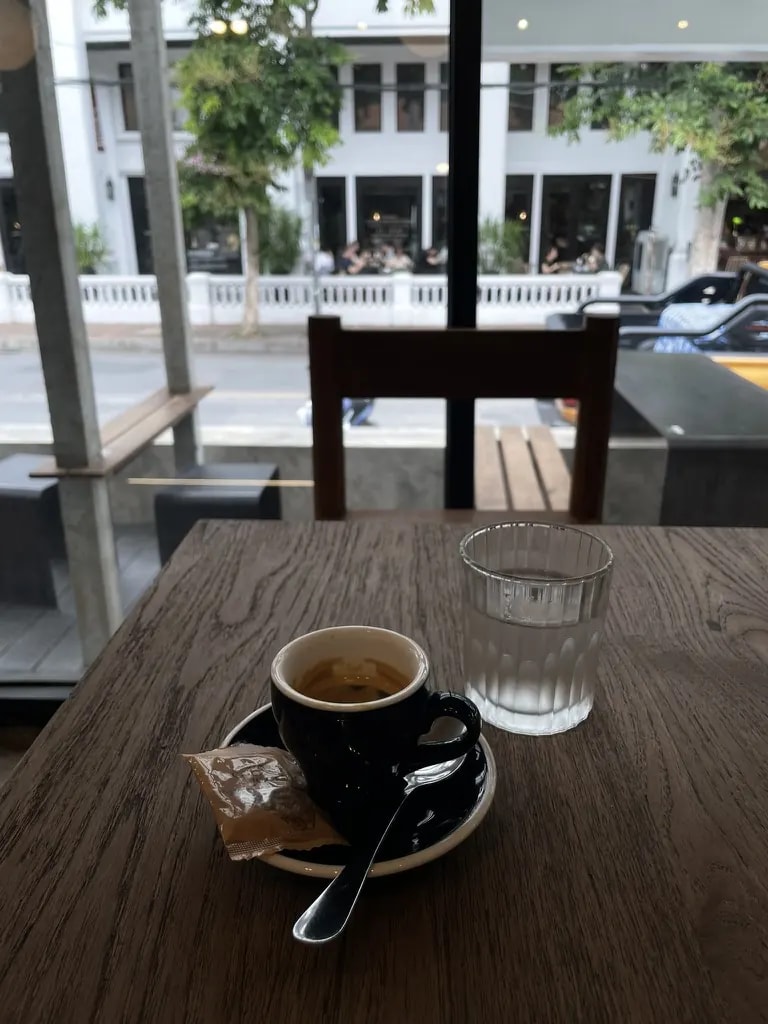
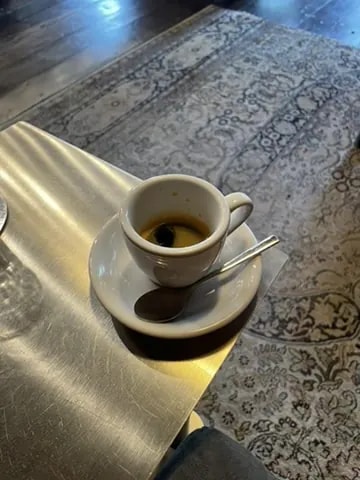
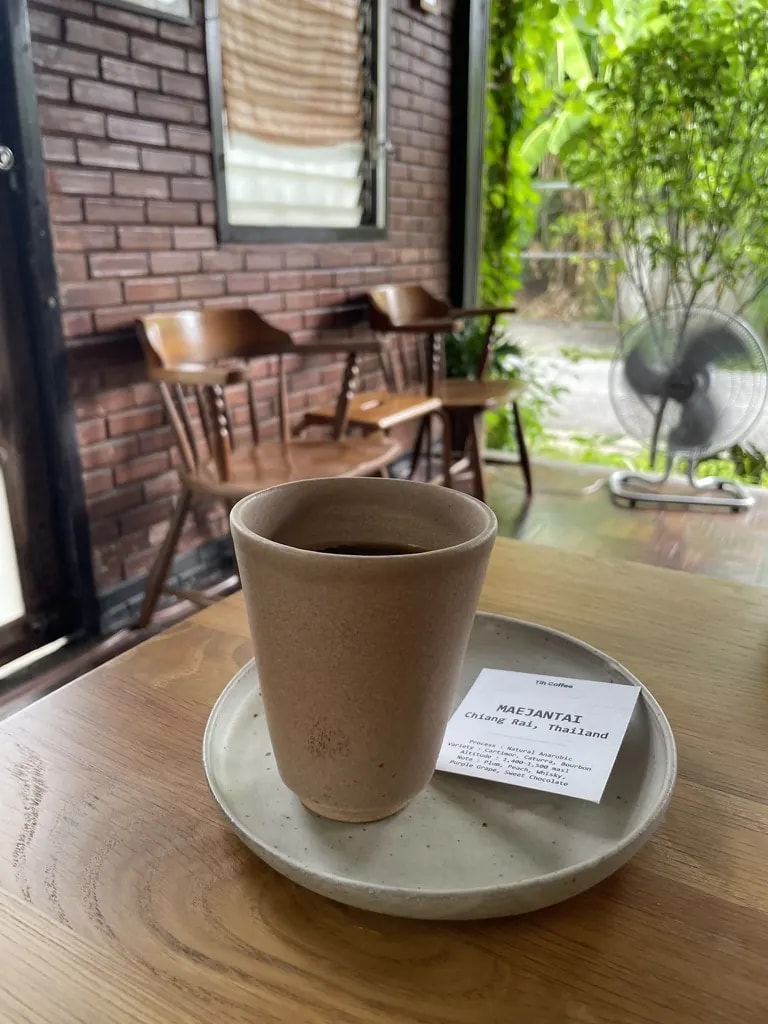
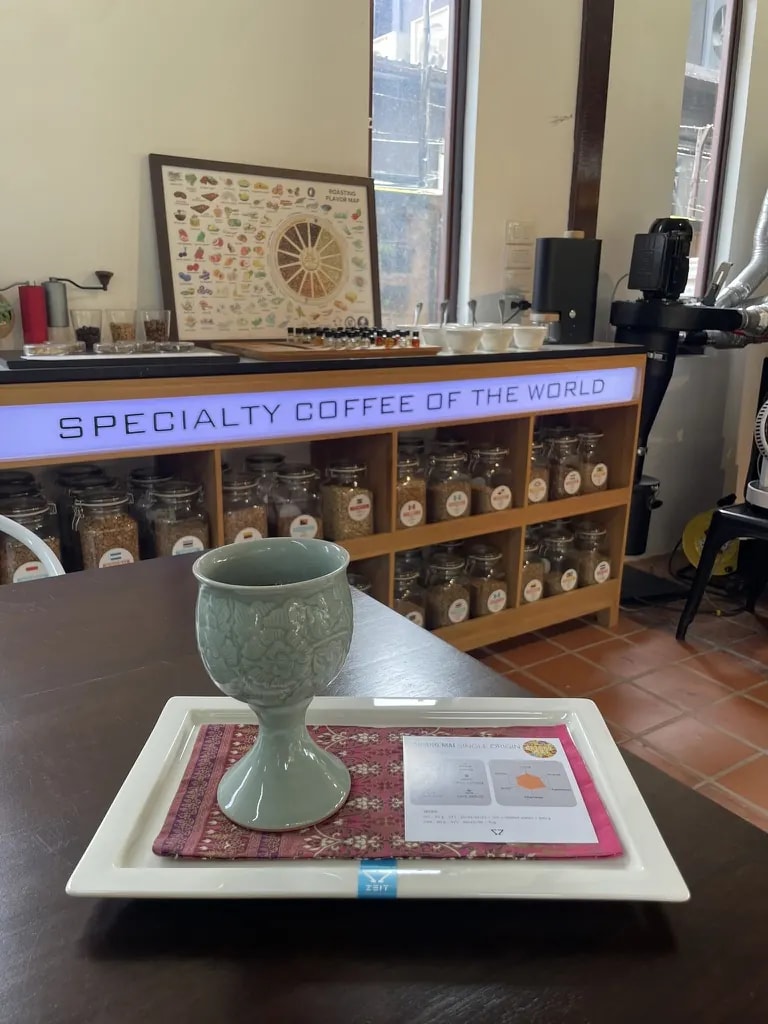
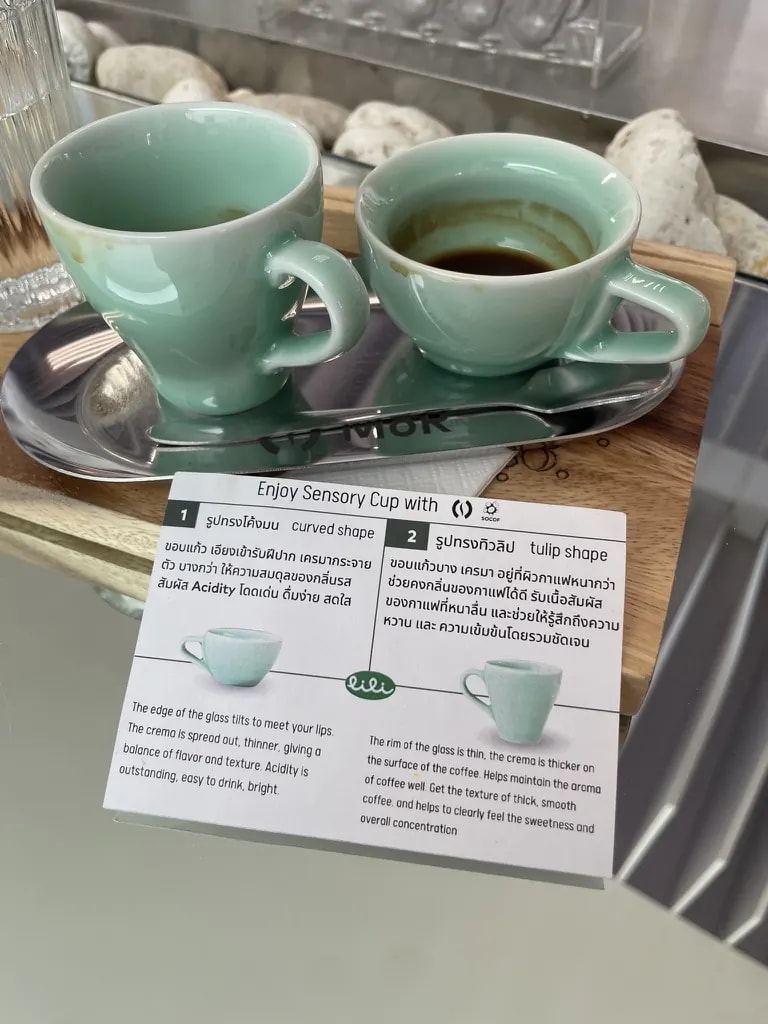
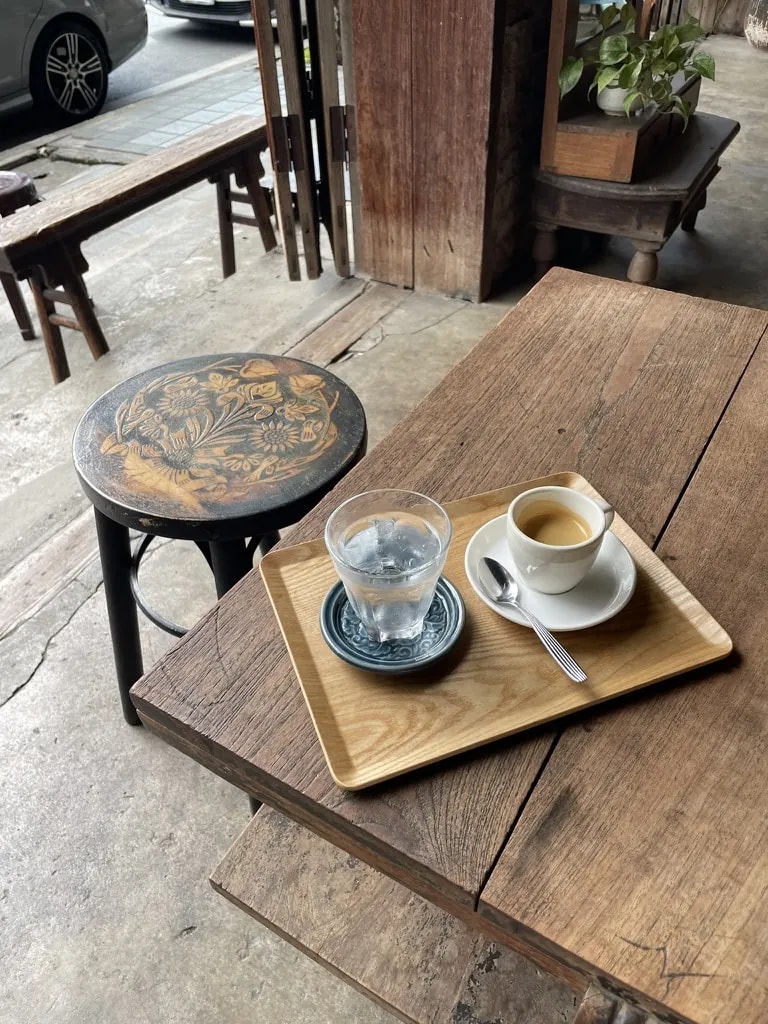
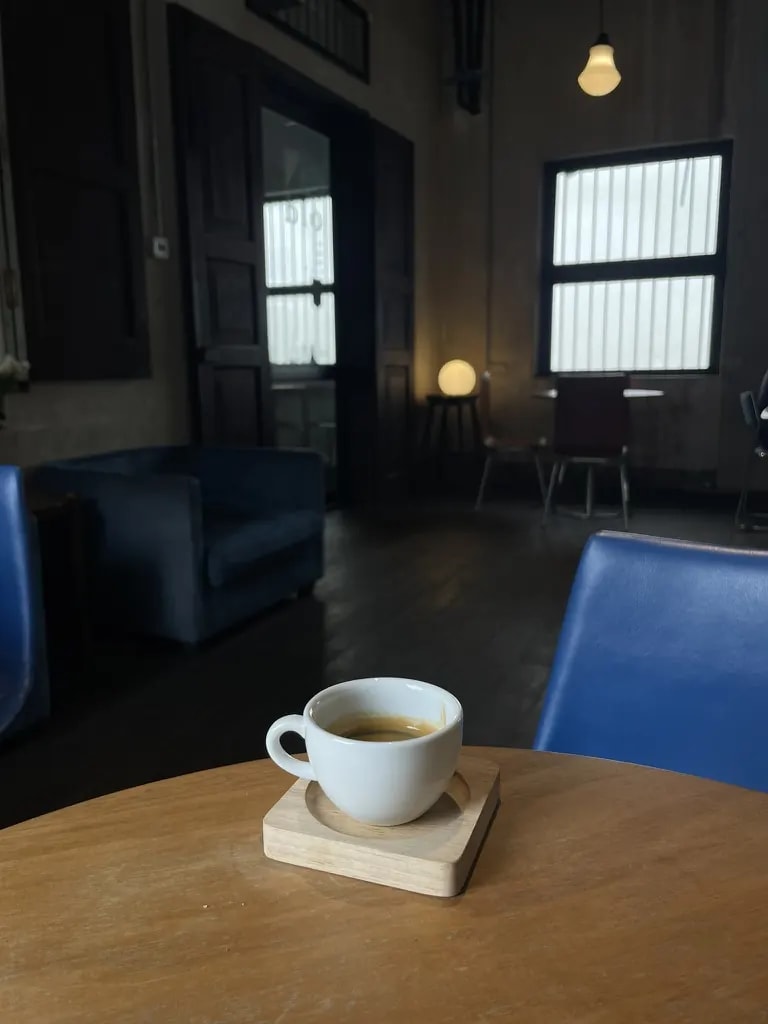
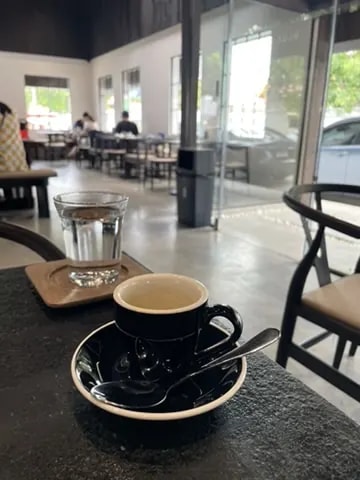
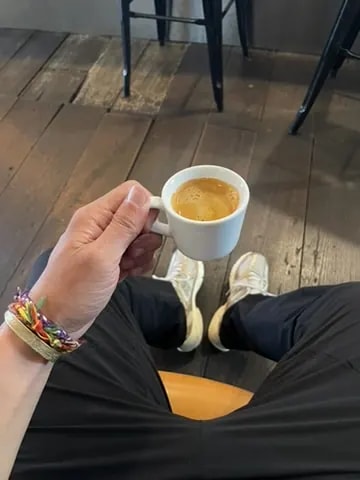
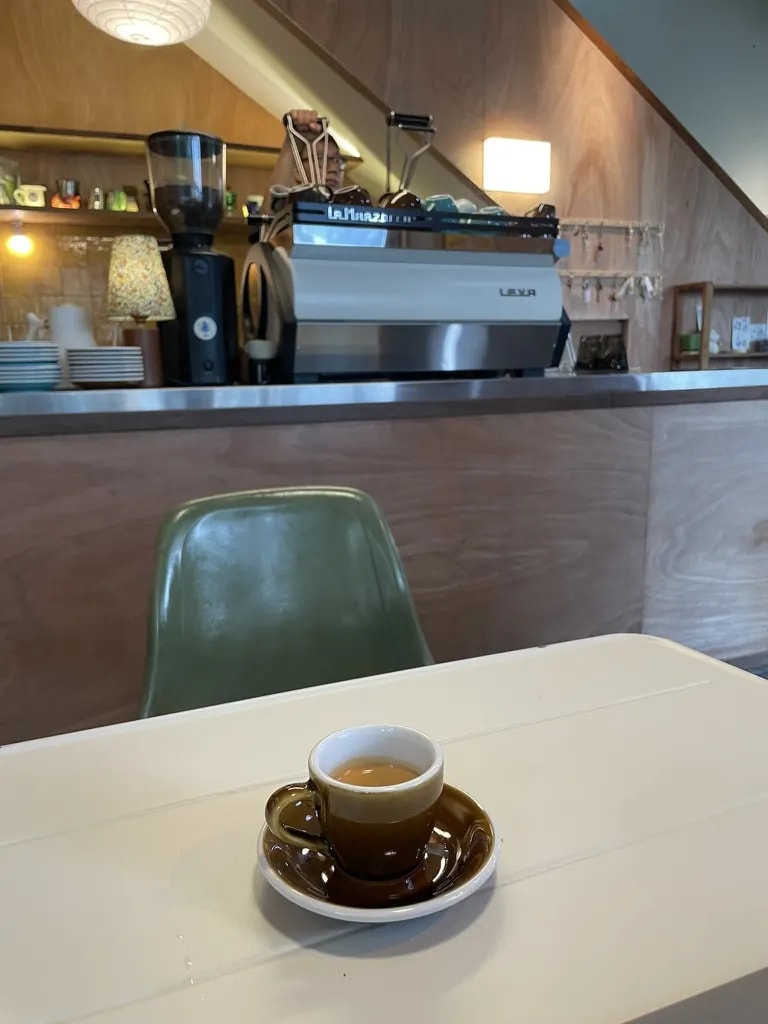
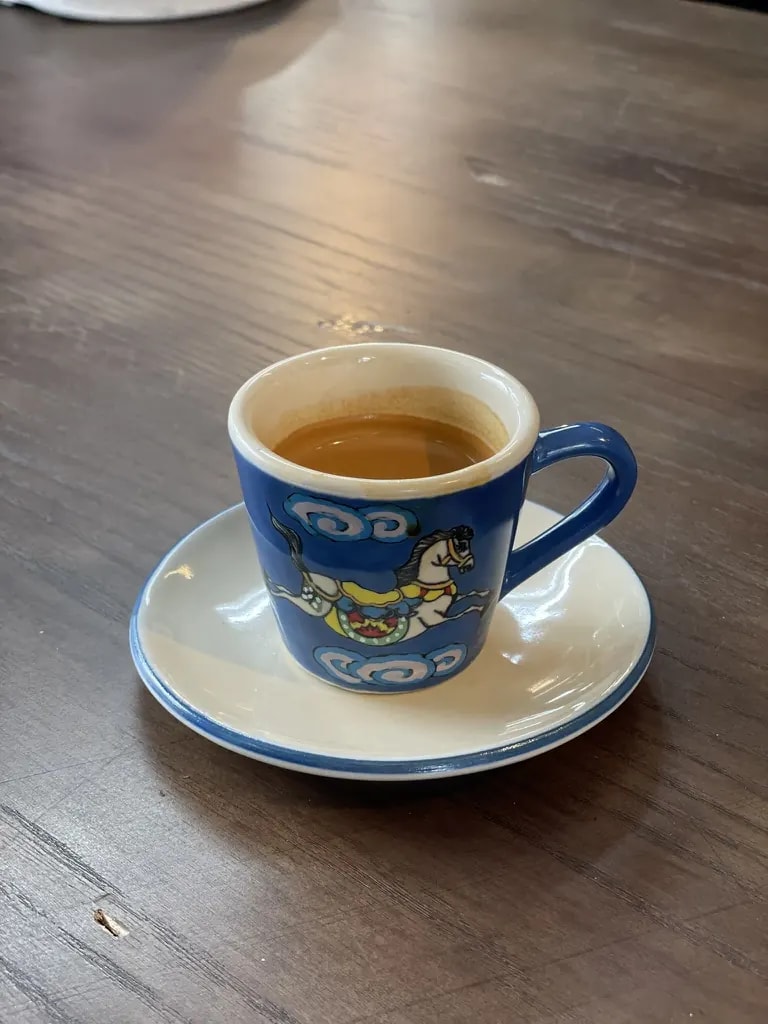
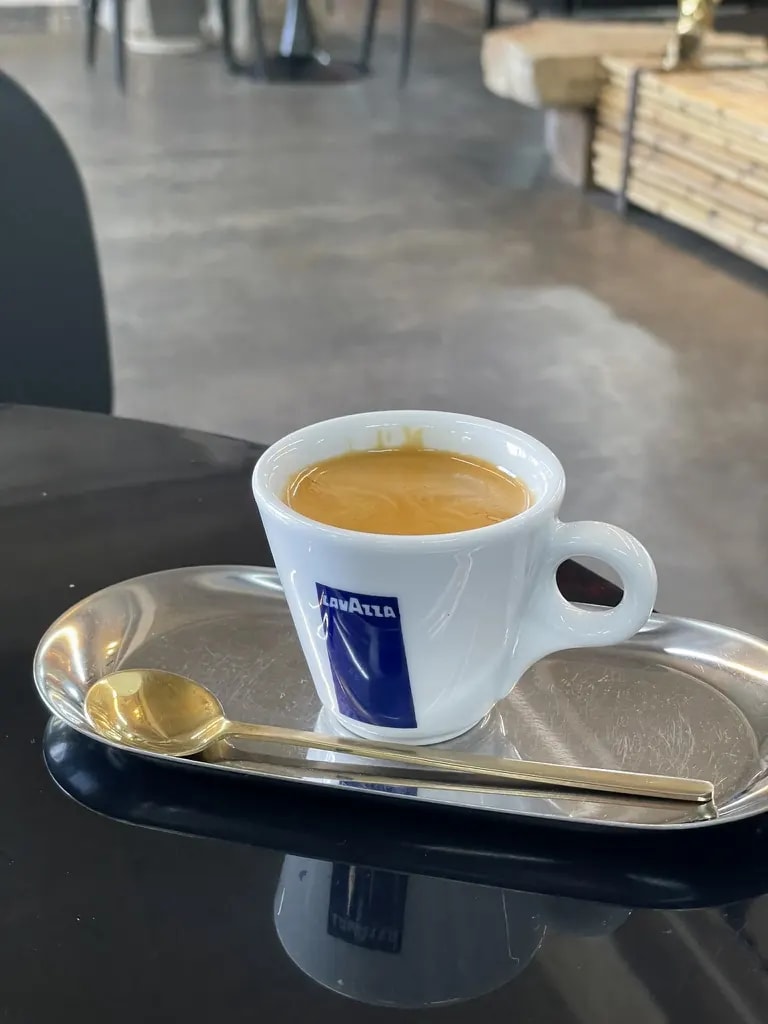
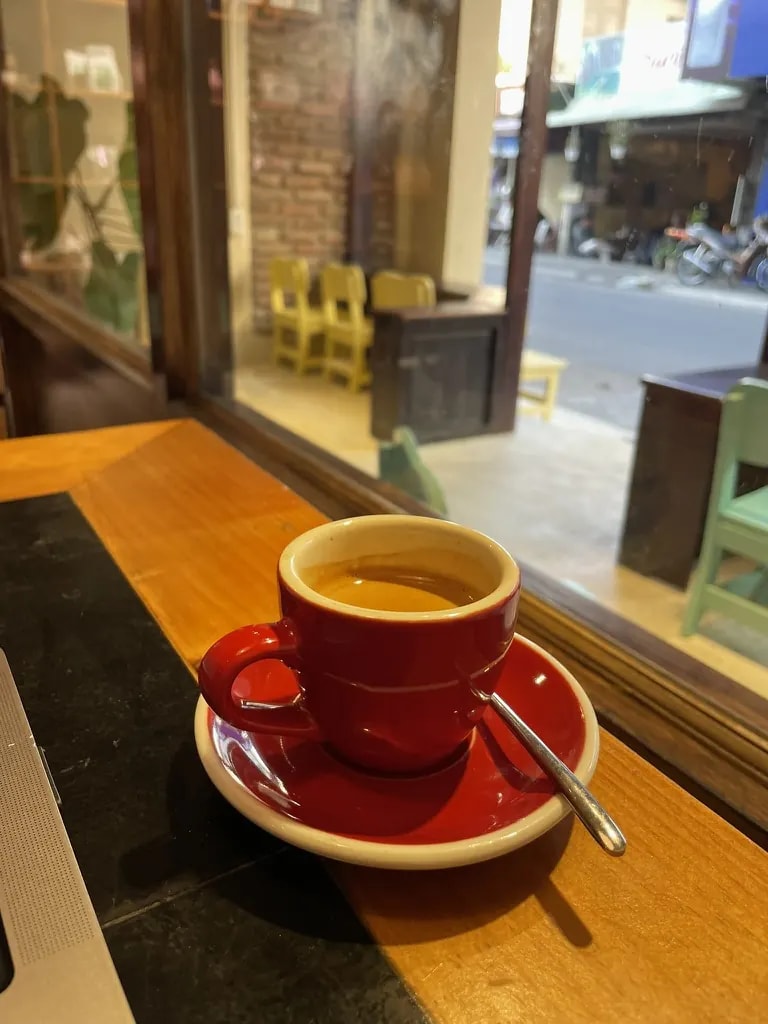
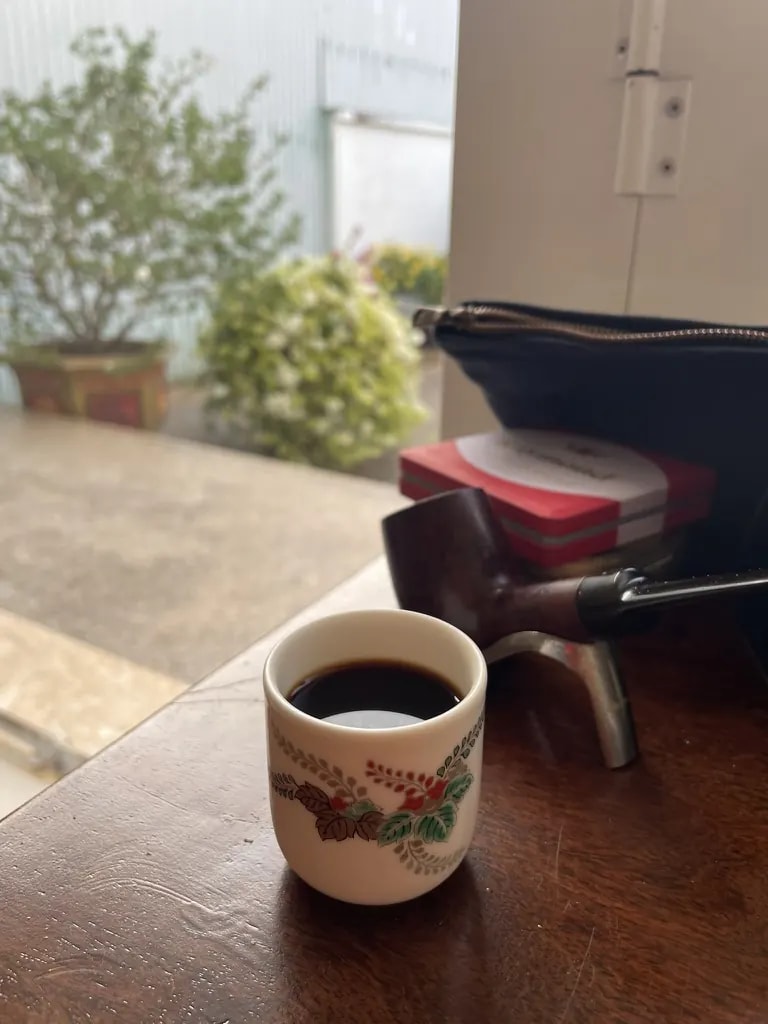
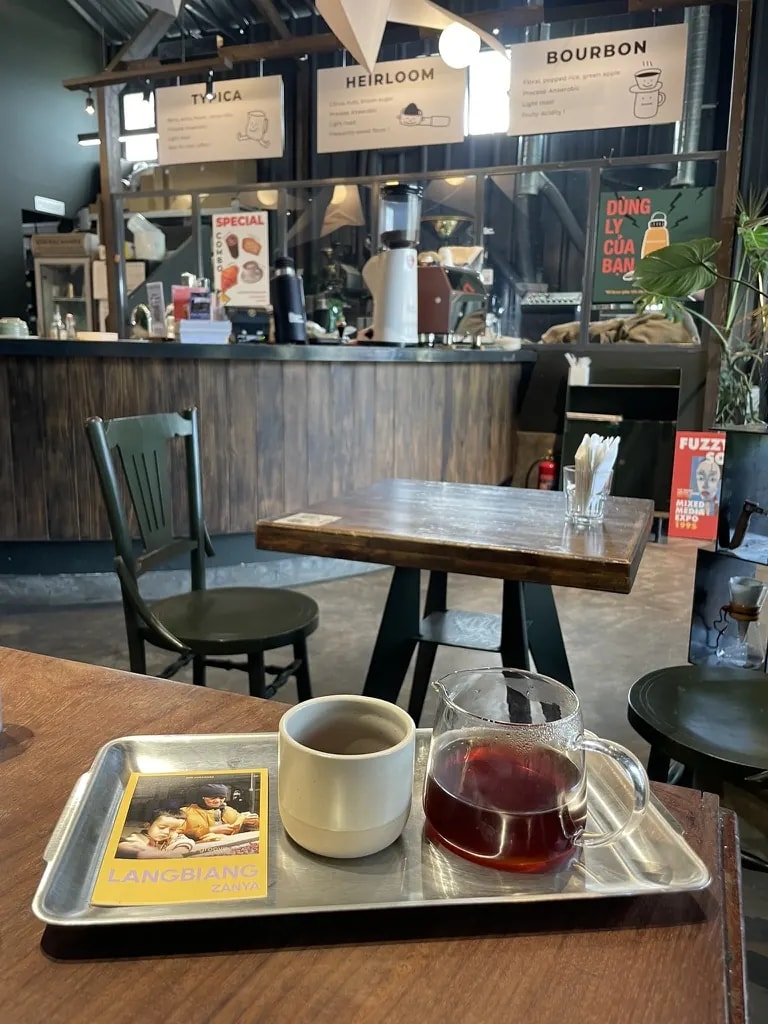
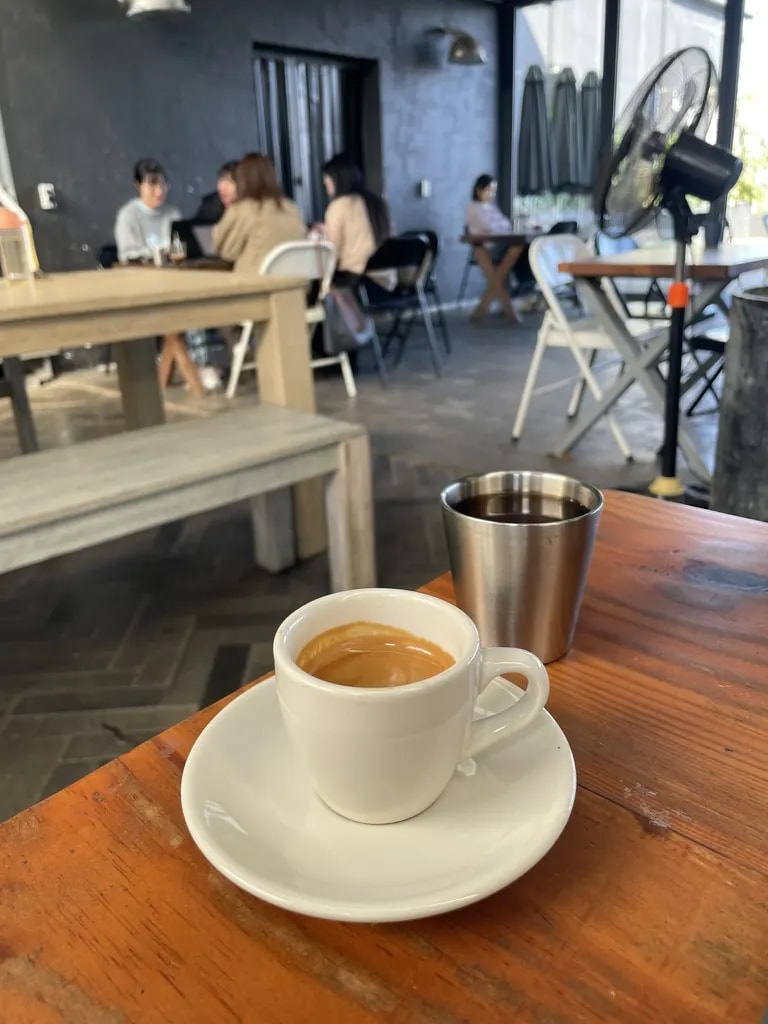
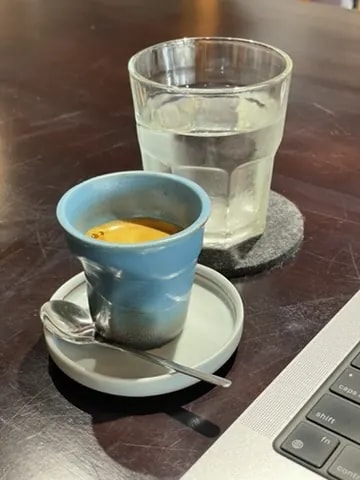
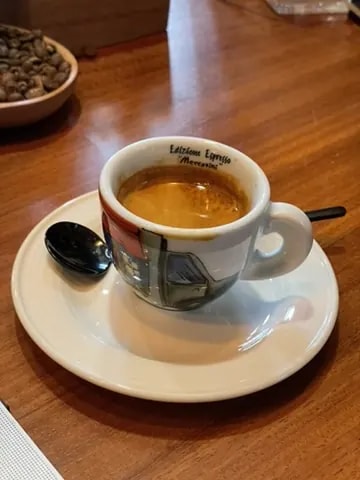
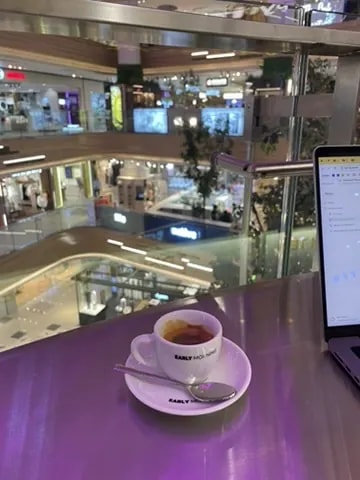
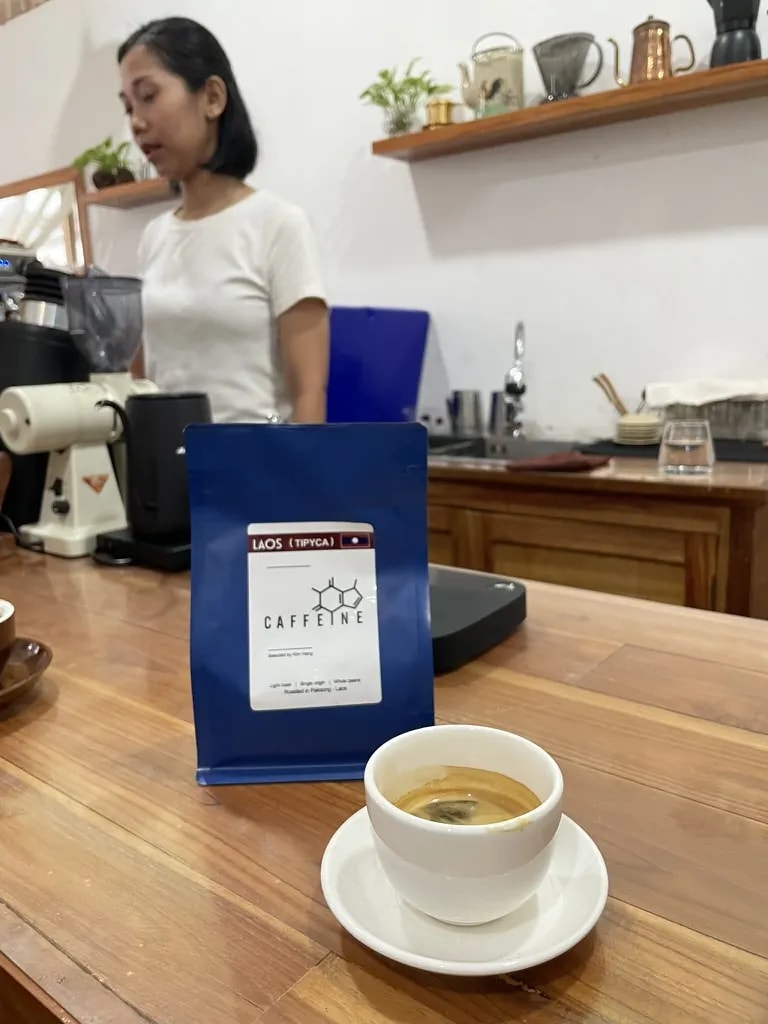
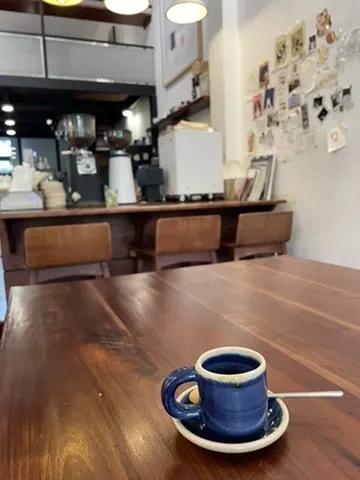
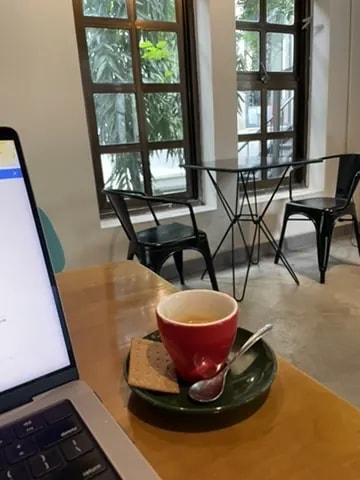
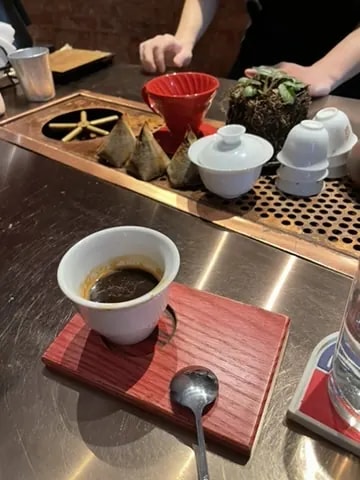
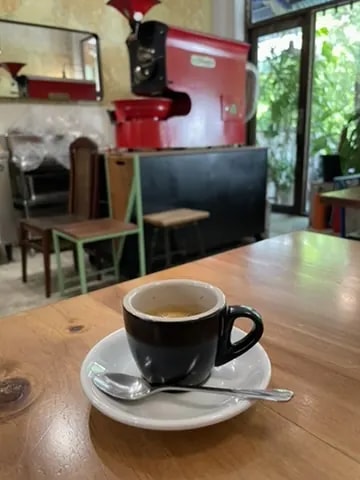
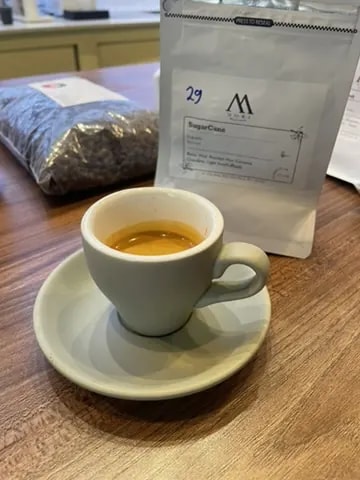
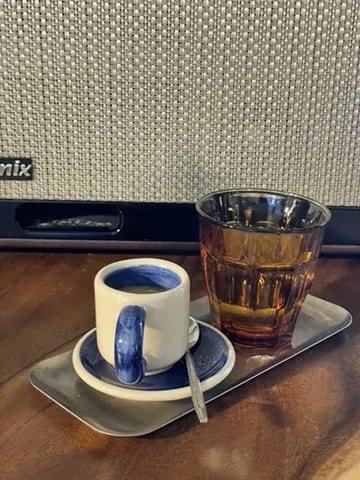
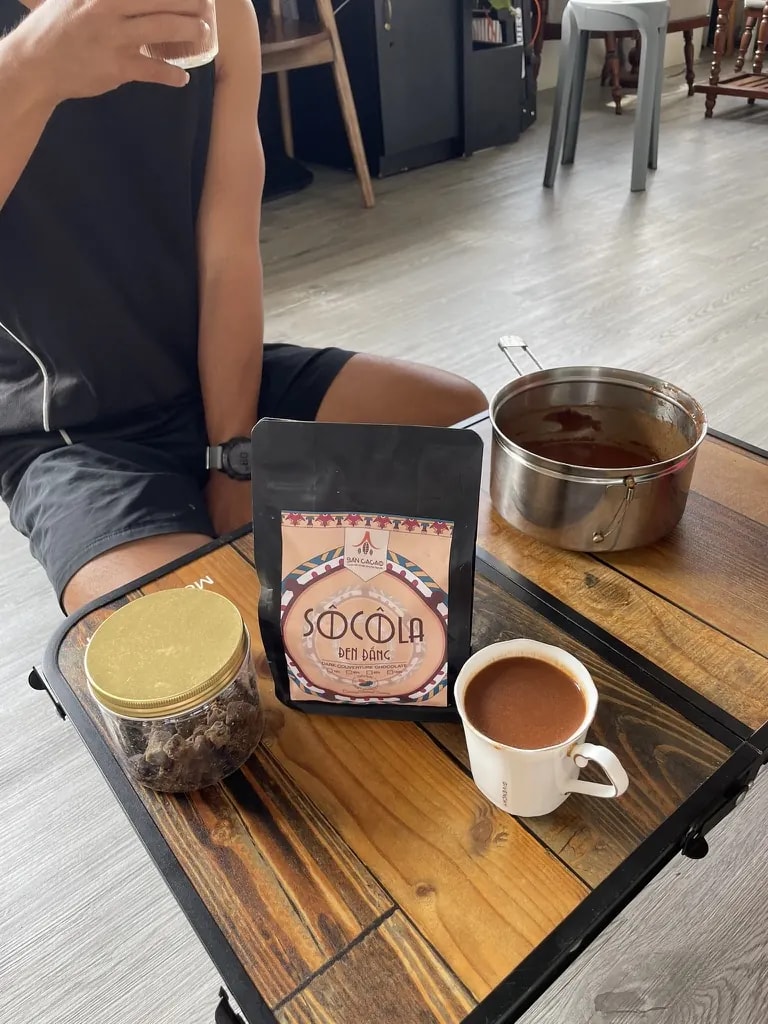
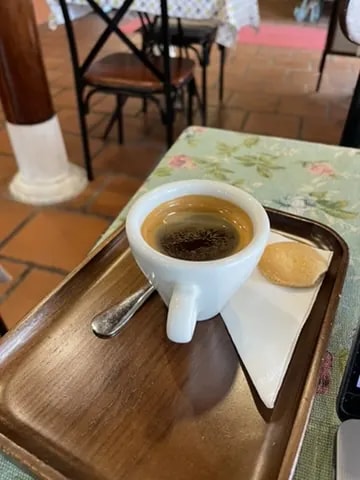
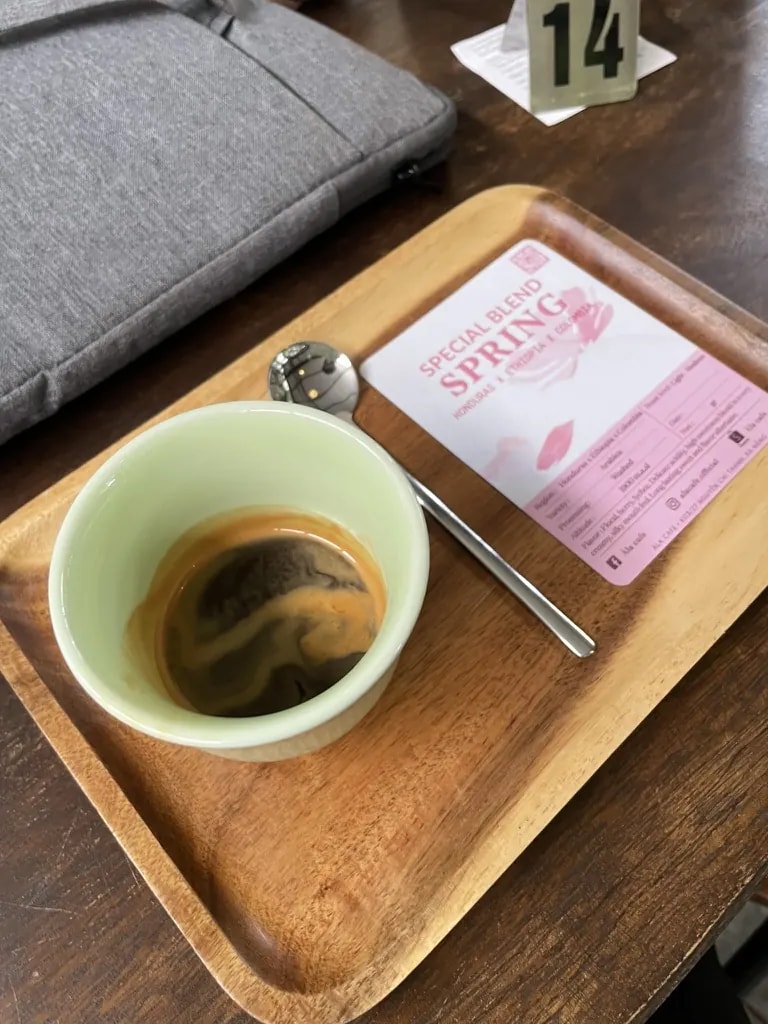
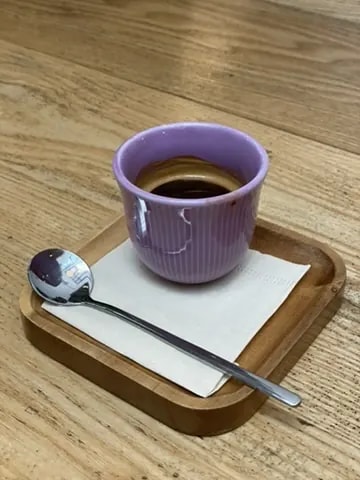
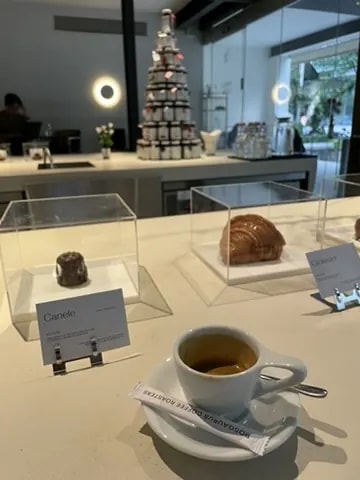
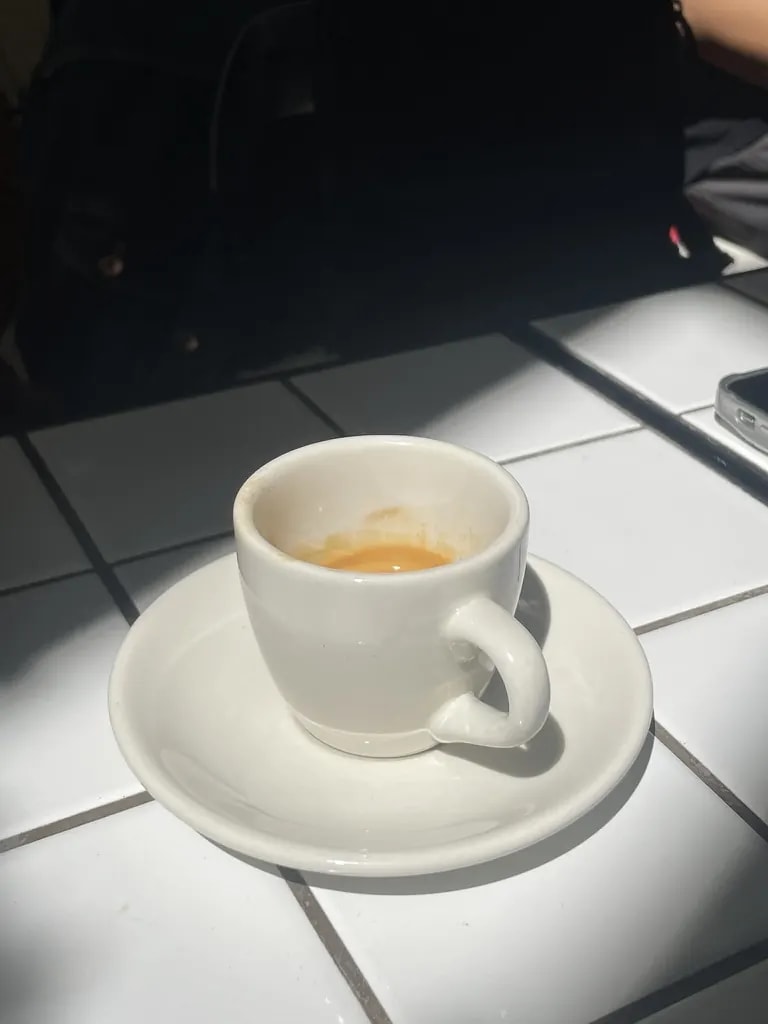
The cafés that made the idea real.
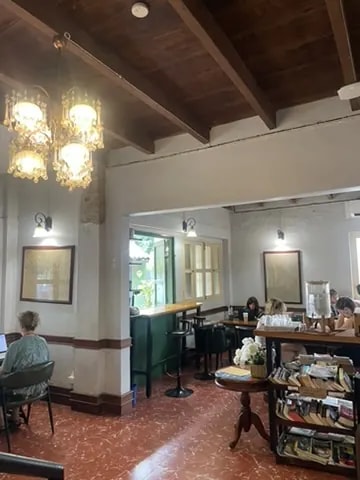
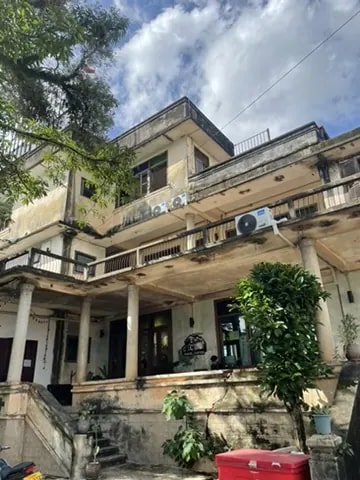
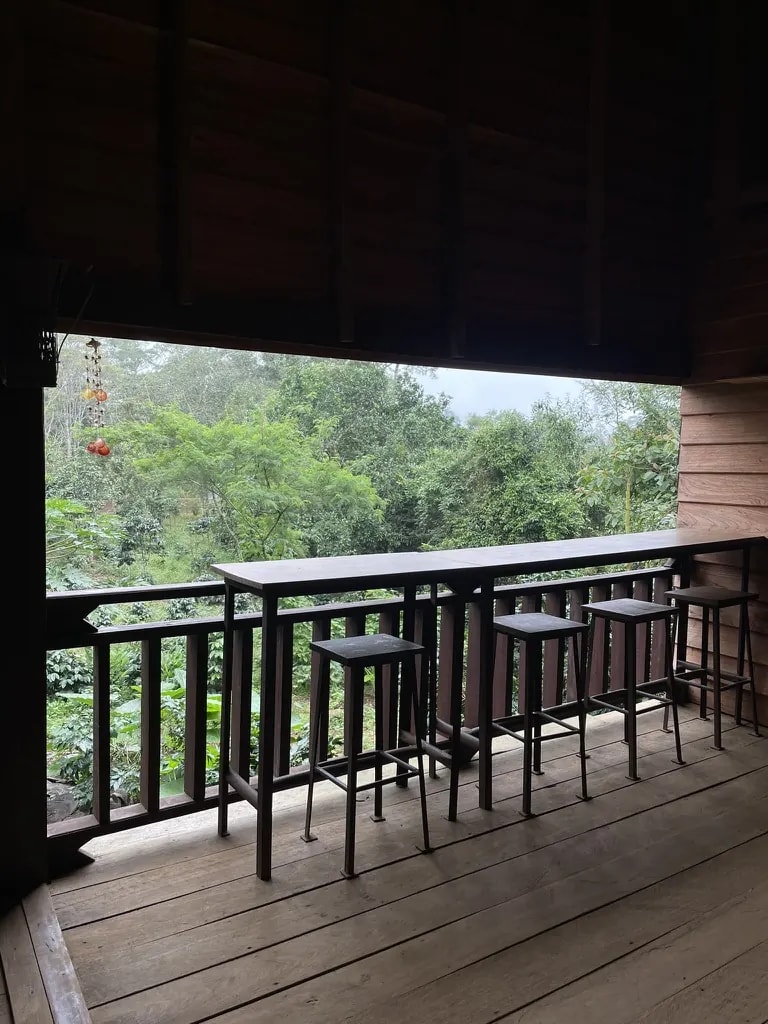
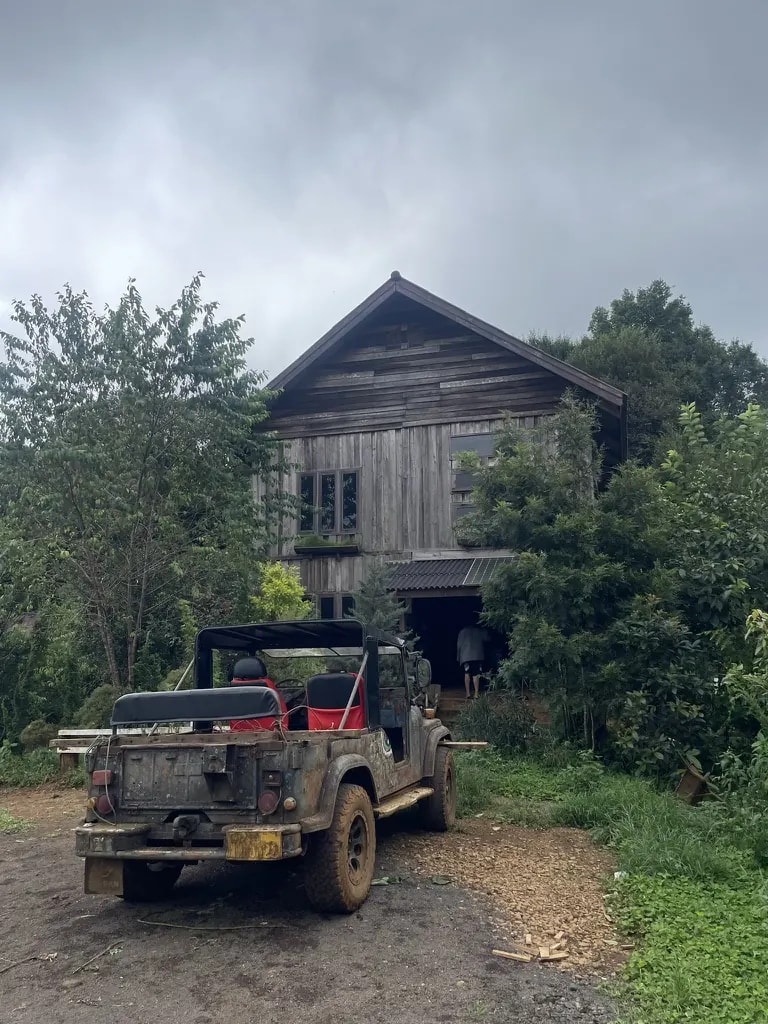
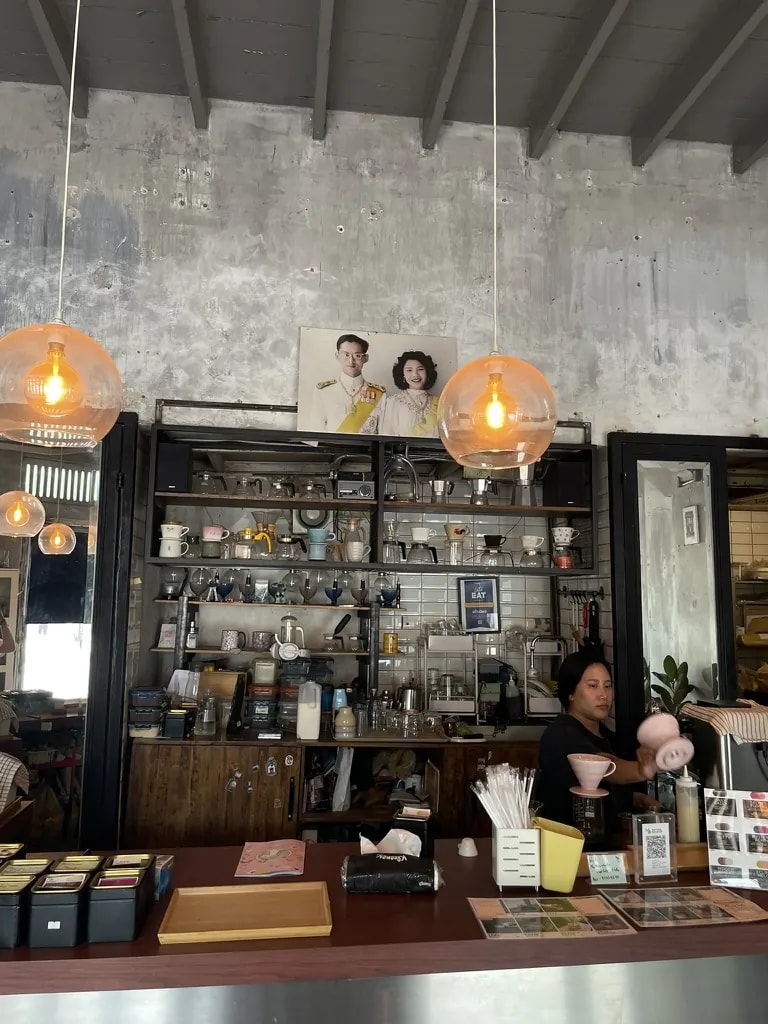
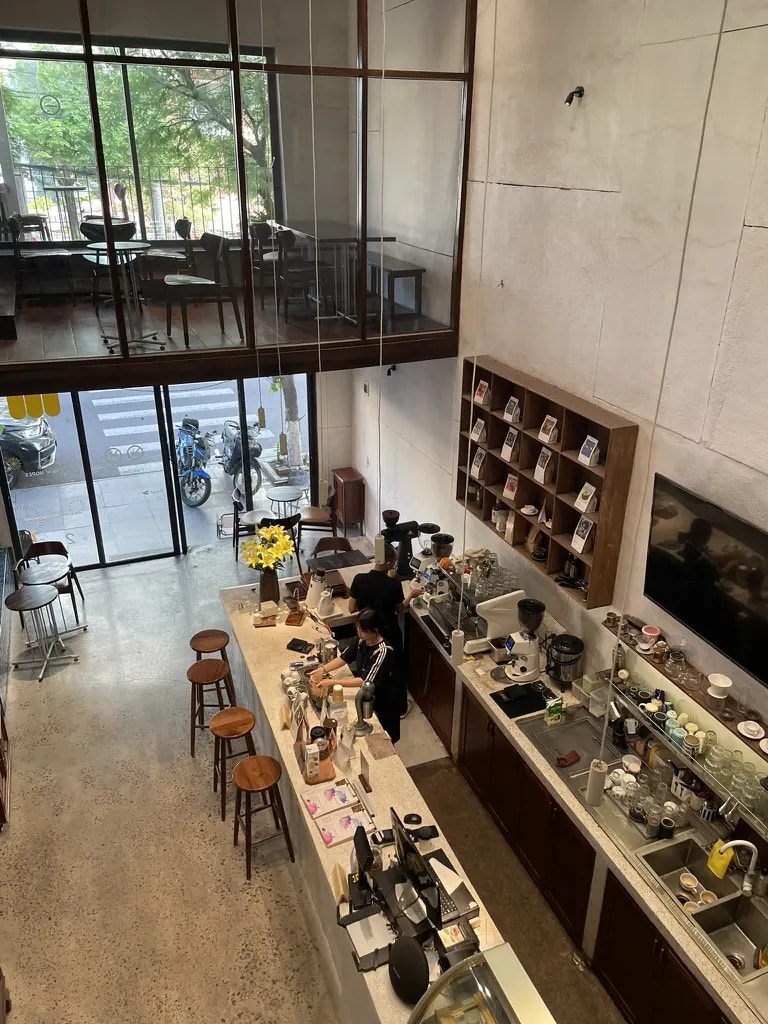
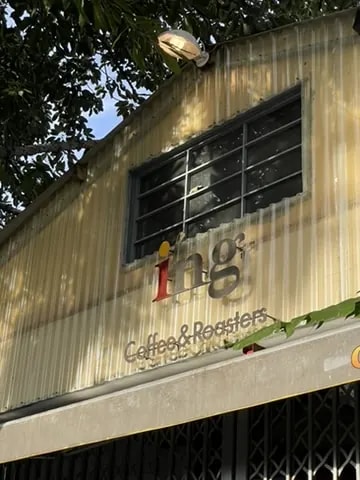
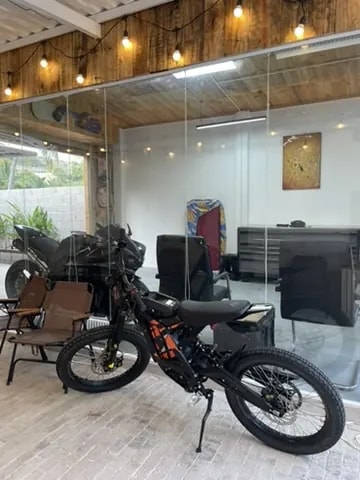
Then people showed up
The map became a conversation.
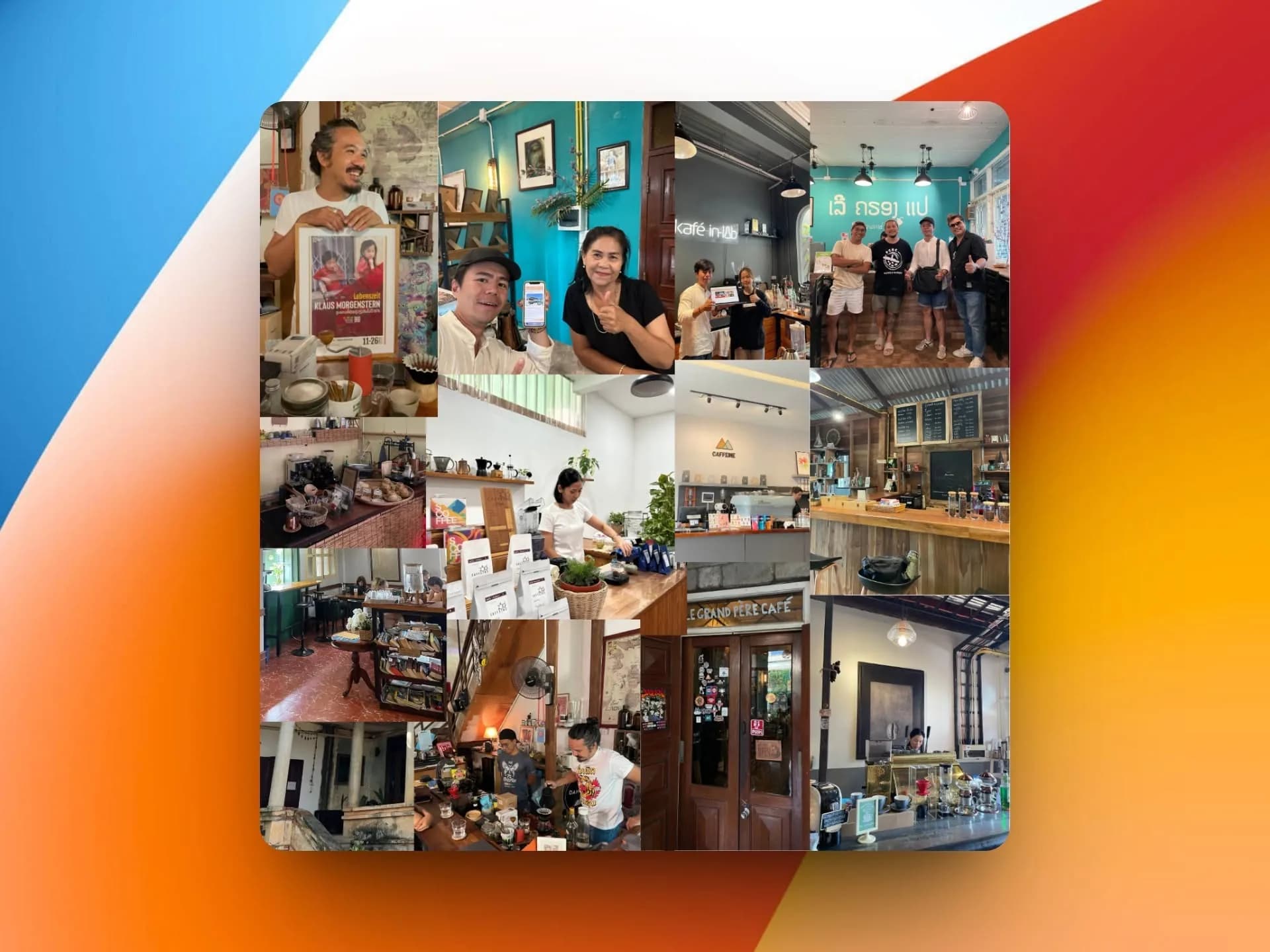
After the first launch, travellers and nomads started asking what I was building. People I met in Thailand, Vietnam, and elsewhere would look at the product, suggest a café, and ask when their city would appear.
Some messages came from Latin America, Europe, Australia, and the United States. The data was still concentrated in Southeast Asia and Asia, and the preprocessing was still a one-person job, but the curiosity travelled farther than I expected.
That changed the product. It was no longer only my private map for finding coffee. It had become a small invitation for other people to help describe the places they cared about.
The part that changed me
Coool Café changed the way I travel.
I began staying longer in places. I would find one café I liked, return every day, and let the work become an excuse to notice the people around it.
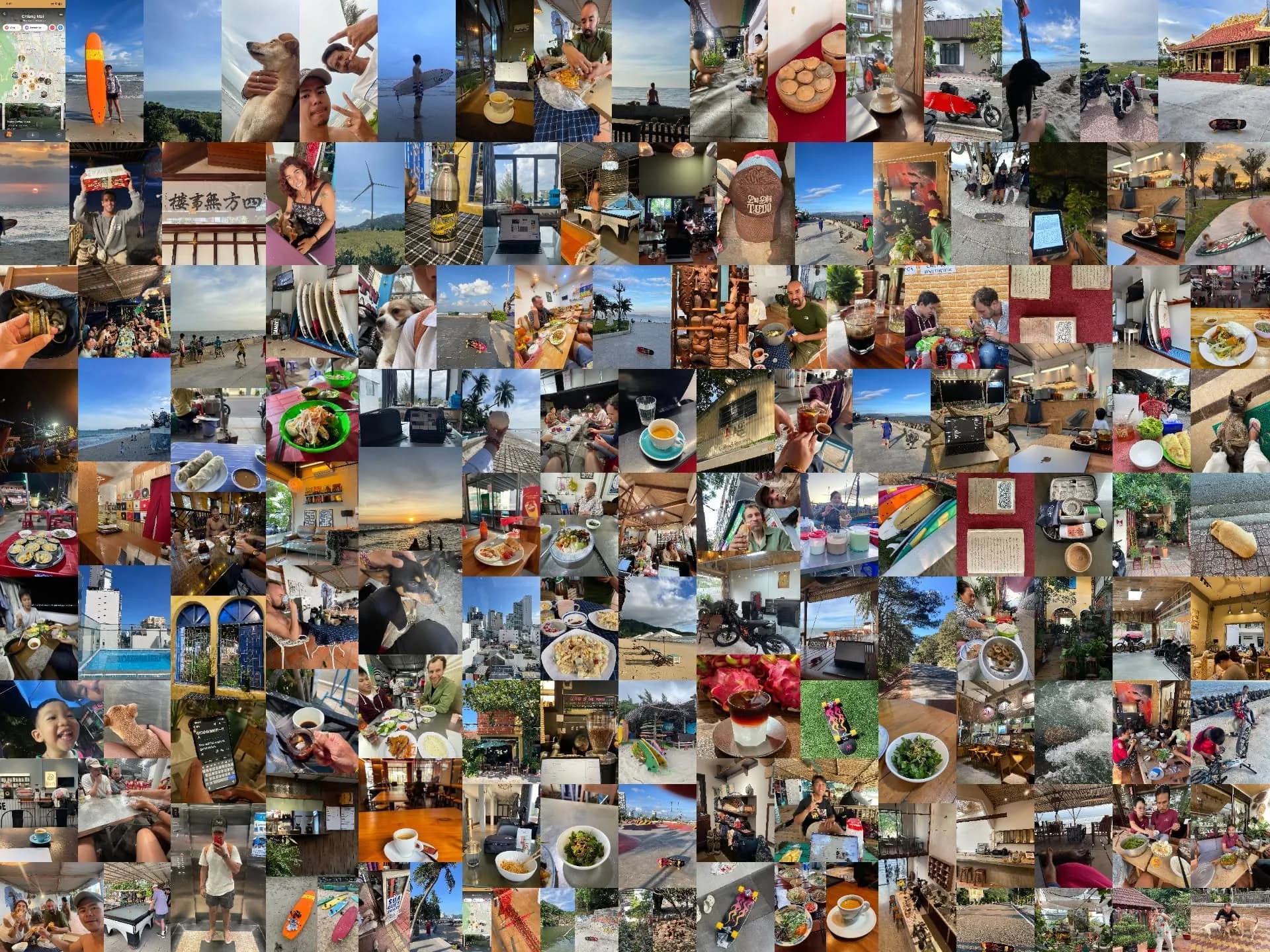
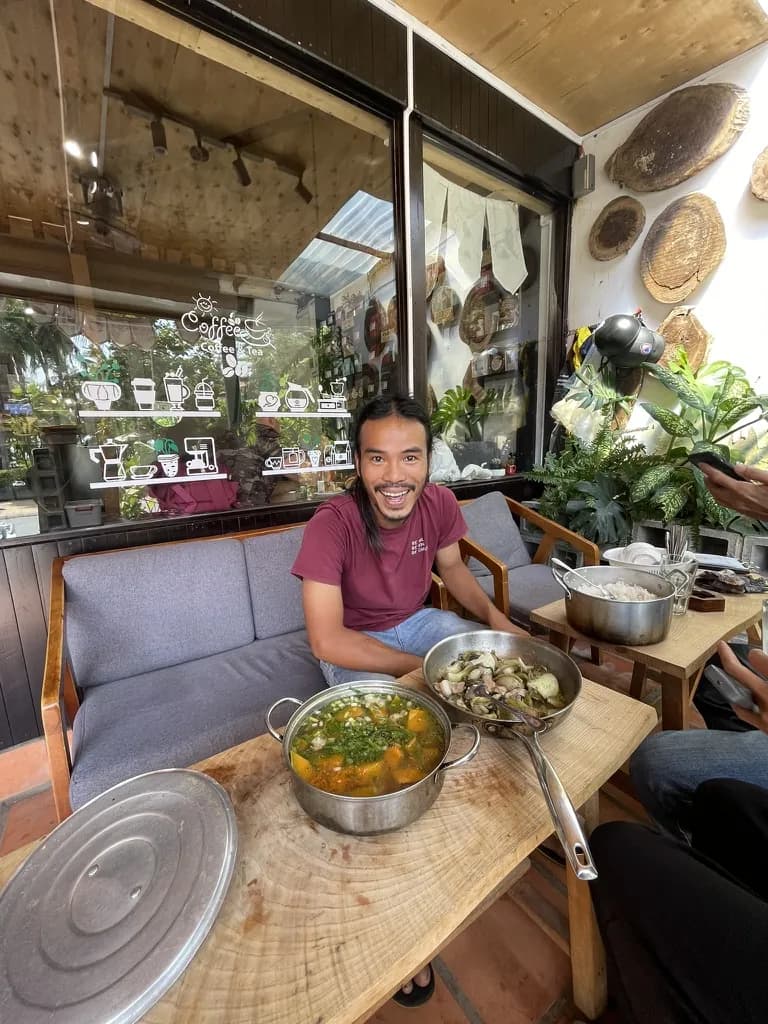
In Vũng Tàu and Mũi Né, I met two café owners named Phúc. They invited me for coffee, food, and long conversations, then gave me feedback on the thing I had made.
The product stopped being only a screen. It became a reason to walk into a place, ask a question, and stay long enough to understand it.
What I know now
Every café is a small piece of culture.
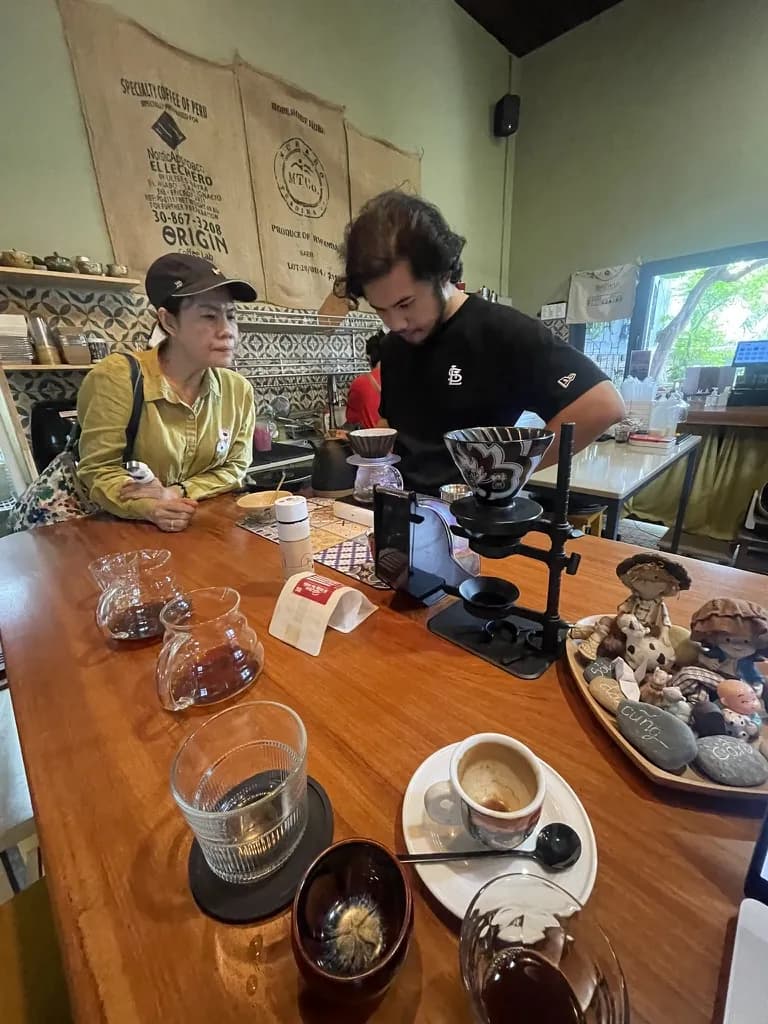
One country can contain many coffee cultures. One city can contain many ideas about what a café should be. I have seen a pour-over served in a champagne glass, a barista in his seventies, rooms built from discarded objects, and places that feel like tiny works of art.
That is why I do not want Coool Café to be only a database of pins. The data matters. So do the stories, the atmosphere, the work of the people who make these places, and the small details that make you want to come back.
SEO taught me how people find pages. Coffee taught me why they remember places. Product work keeps teaching me to listen.
Why it still exists
Coool Café is my ongoing piece of work.
The data can still be incomplete. Bugs still hide in corners. The product is still being shaped by places I have not visited and people I have not met yet. That is part of the point.
I want to keep looking closely, building honestly, and making it easier for someone to find a café that gives them a good cup of coffee and a good conversation.