
Experience note
How I Started Coool Café
A first-person account of the coffee background, travel habit, product problem, failed experiments, and indie-building philosophy behind Coool Café.
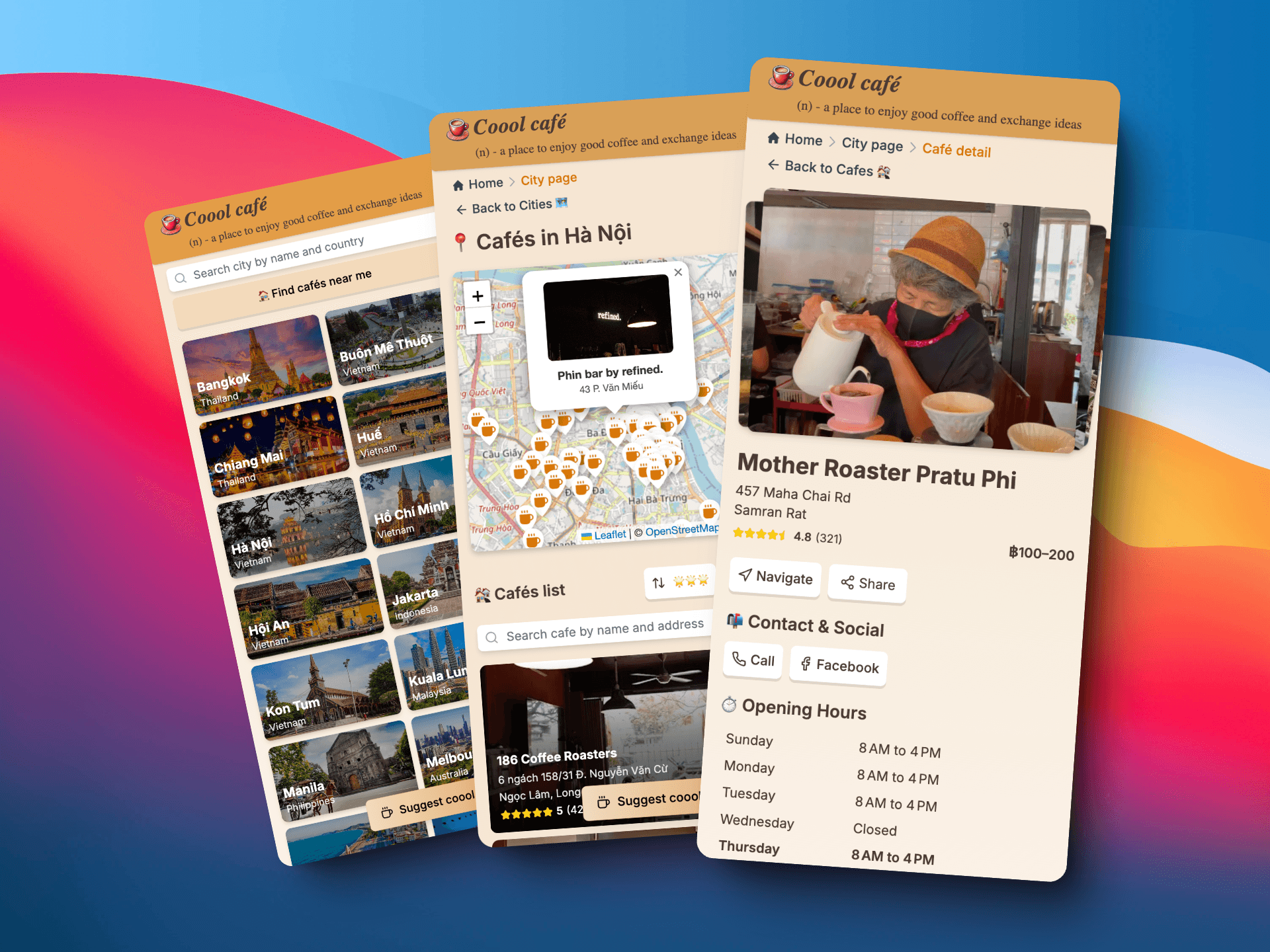
Early Coool Café product screens showing city discovery, the café map, and a café detail view. · Long Huỳnh / Long Nhong Vagabond
Coool Café did not begin with a formal business plan. It grew from two parts of my life that kept crossing paths: building with technology and looking for coffee worth remembering.
I spend much of my time experimenting with software, AI, and new ways of working. I also travel with a habit that can easily take over a day: searching for cafés with a strong sense of place. Coool Café became a way to bring those interests into the same project.
Why coffee became personal
I grew up in Pleiku, where coffee was already part of the landscape and daily rhythm around me. It felt familiar rather than exotic.
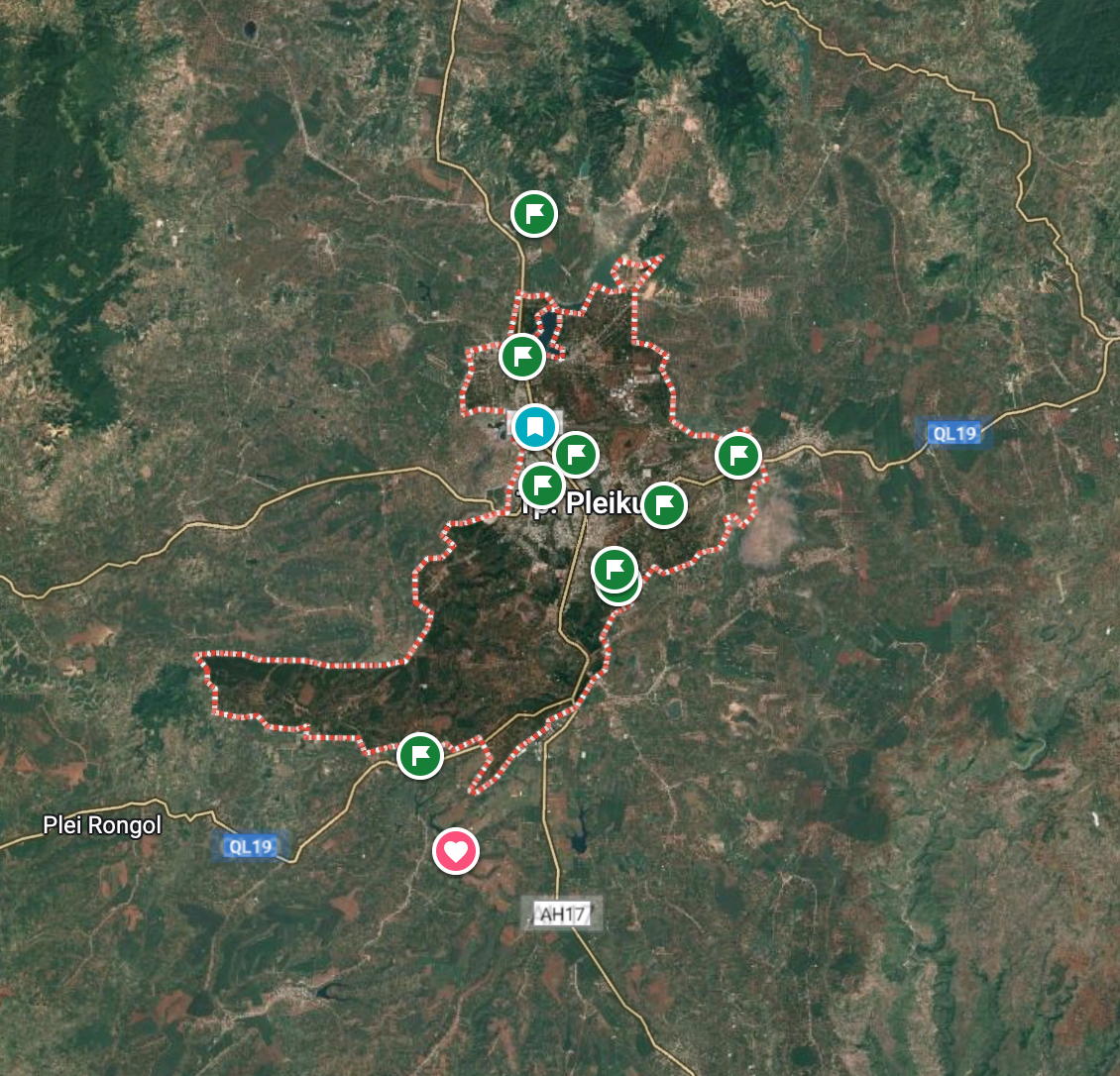
Pleikuuuu—a personal map of the city where I grew up. · Long Huỳnh / Long Nhong Vagabond
At university, I studied Food Engineering. Beverages caught my attention because small changes in ingredients and process could reshape the final experience. That technical curiosity stayed with me as coffee became a daily ritual, then gradually became a subject I wanted to understand more deeply.
Travel gave the interest another direction. As a digital nomad, I began using cafés to understand new cities. I was not looking only for a table and Wi-Fi. I wanted places where the drinks, room, people, and details felt considered. Before some trips, I spent more time researching cafés than choosing accommodation.
That behavior became the beginning of the product idea. I wanted a map that could explain why a café was worth a detour—not merely where it was or how many stars it had.
Why I built it myself
Independent makers such as Pieter Levels, Marc Lou, and Tony Dinh made the path feel possible: build something useful, release it early, and let real use expose what needs to change.
My first version of Coool Café was rough. Café data moved through improvised scripts and scattered schema spreadsheets. I tried several AI tools while learning how to make the interface, and I used v0 to turn early ideas into screens. I broke the database, damaged Docker and Nginx setups, produced ugly data, and watched pages fail.
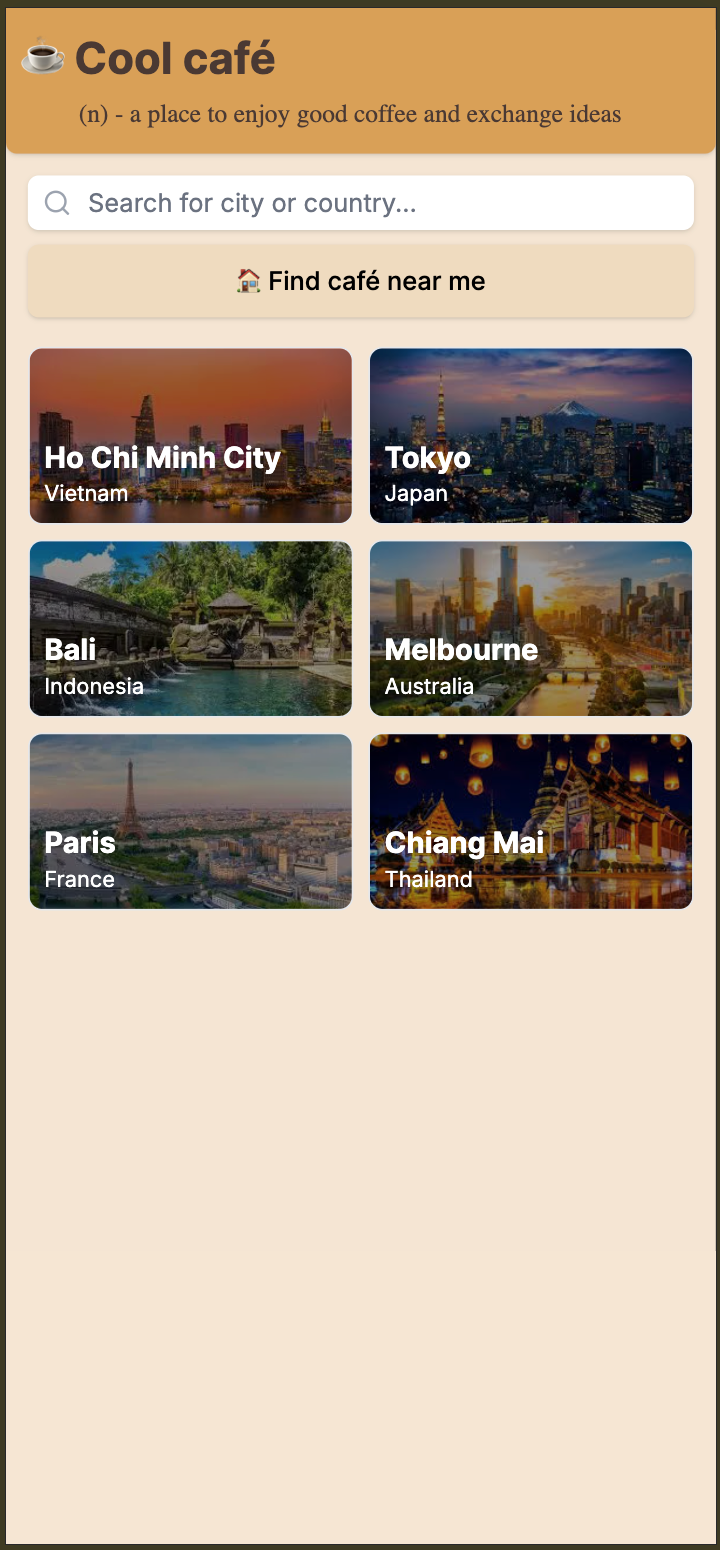
Some of my first interface work—and some of my first experience with HTML. · Long Huỳnh / Long Nhong Vagabond
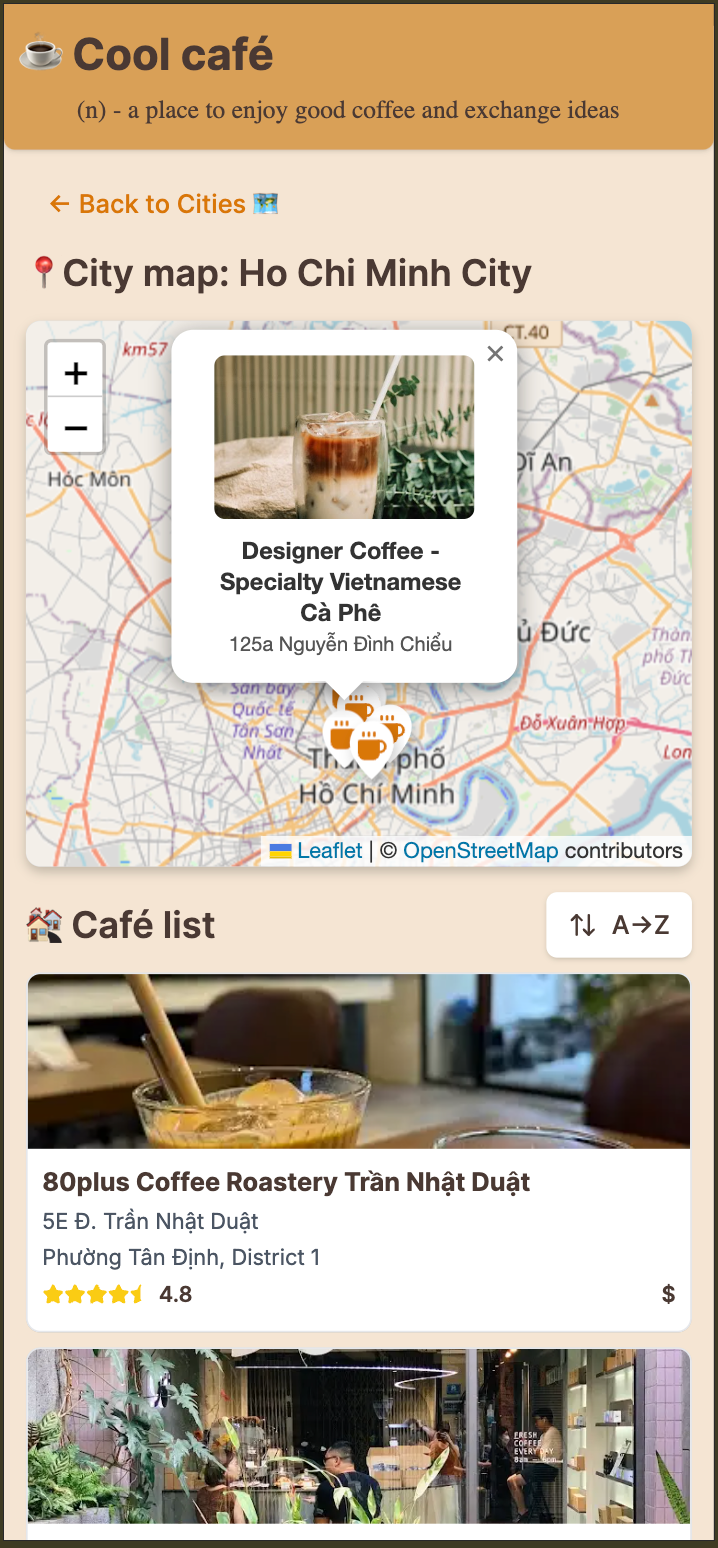
An early city page combining the map and café list. · Long Huỳnh / Long Nhong Vagabond
Those failures became the practical education behind the site. They forced me to learn how inconsistent place data can be, how much preprocessing matters, how search intent affects page structure, and why a working release teaches more than an indefinitely polished prototype.
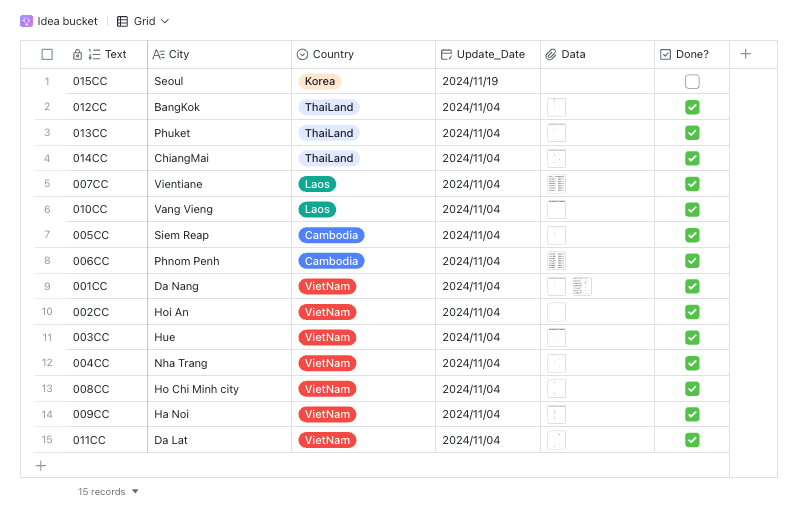
The early city-data tracker behind the research and cleanup work. · Long Huỳnh / Long Nhong Vagabond
The product problem also became clearer. A large map can tell you what is nearby, but it does not automatically explain which places have character or why they might fit a particular trip. Coool Café should add that editorial layer: the craft, atmosphere, unusual details, and human stories that make a place memorable.
The work developed through three recurring loops:
- Data: collect imperfect café information, clean it, find the failures, and improve the pipeline.
- Search: make each page answer a real reader need instead of decorating it with keywords.
- Feedback: show the product to travelers, listen to what is missing, and widen the map carefully.
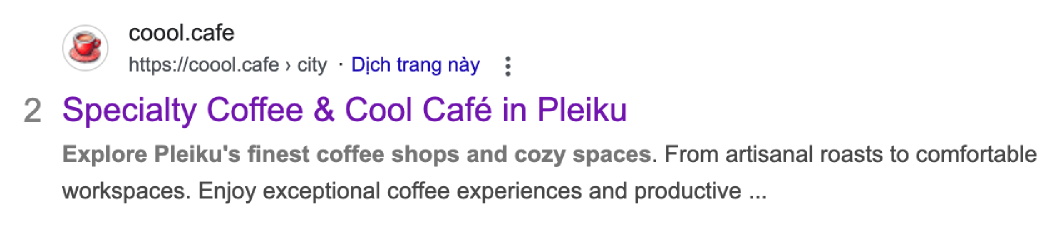
A screenshot from an early Pleiku search milestone in my hometown. · Long Huỳnh / Long Nhong Vagabond
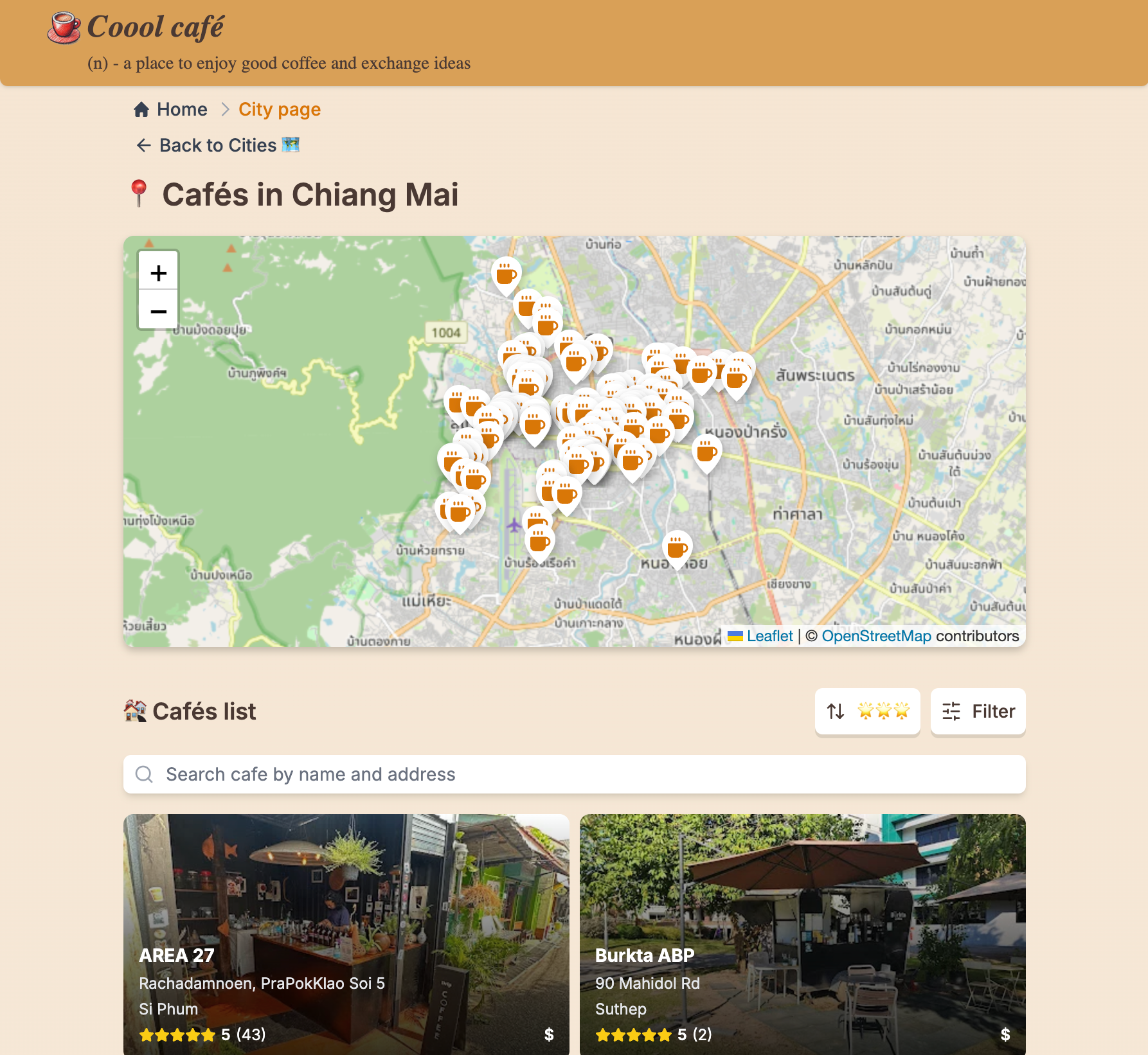
The Chiang Mai dataset taking shape across the map and café cards. · Long Huỳnh / Long Nhong Vagabond
It remains a small project, and that constraint is visible. Progress alternates between solving frustrating infrastructure problems and discovering a café or product idea that makes the effort feel worthwhile. The method is simple: ship, learn, and repeat.
The idea was not new
Coool Café was never based on the claim that nobody had mapped good coffee before. Several existing products helped clarify what I admired and what I wanted to approach differently.
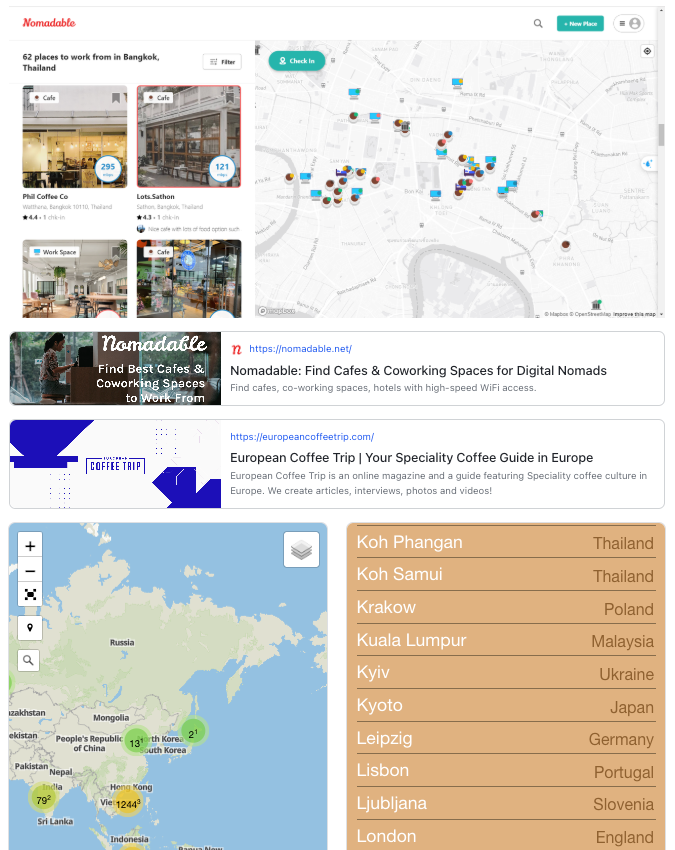
My early product moodboard. · Long Huỳnh / Long Nhong Vagabond
European Coffee Trip showed the value of careful café storytelling. Nomadable explored places through the needs of remote workers. Third Wave Near Me and the World Map of Coffee demonstrated different ways to make specialty coffee easier to explore.
The lesson was not to search endlessly for an untouched idea. It was to begin with a problem I already had and contribute a distinct point of view. For Coool Café, that means treating curation as more than filtering by address or rating. The story, atmosphere, quirks, and quality of the experience are part of the place.
What comes next
The map is only the first layer. I also want Coool Café to document how it is being built—the unsuccessful experiments as well as the decisions that survive them.
That build log can cover:
- the scrapers, preprocessing steps, and front-end choices behind the product;
- the task systems that keep a one-person project moving;
- the evolving schema used to clean and enrich café information;
- the AI tools and automations that proved useful, and those that did not;
- the feedback loops that turn traveler suggestions into better data and features.
The aim is to show the movement from an idea to a useful, maintainable product without pretending that the path was tidy. Coool Café started with coffee, curiosity, and many broken versions. It will continue through the same basic cycle: observe closely, build something real, and improve it with evidence.
Explore Coool Café or browse the growing coffee editorial. If there is a café, city, or experience we should investigate, share it with us.
Source ledger
Sources and field notes
- How I started Coool café — Long Nhong Vagabond; accessed